Sheet Pan Dinners: A Simple Formula for Fast Weeknight Meals
Build a weeknight dinner around one pan, a protein, vegetables and a well-matched sauce. A few timing and cutting choices help everything cook evenly.
Key takeaways
- Start with one protein, two or three vegetables, a little oil and seasonings, then add finishing sauce as needed.
- Cut ingredients to similar sizes and stagger them on the pan when their cooking times differ.
- Use 425°F as a flexible starting point, but check doneness with a food thermometer, not the clock alone.
- Leave space between ingredients so they roast instead of steam, and use a second pan if needed.
- Line a rimmed pan with oven-safe parchment for easier cleanup, but do not use parchment under the broiler.
In this guide
Sheet pan dinners can make weeknight cooking simpler, but putting every ingredient in the oven at once does not always work. A thick piece of chicken, a thin slice of zucchini and a chunk of potato need different amounts of time.
Use a repeatable formula instead: choose a protein, add vegetables that can finish alongside it, and season or sauce them to suit. This guide shows you how to size ingredients, choose an oven temperature, stagger cooking times and keep cleanup under control.
Use a simple protein, vegetable and sauce formula
A useful starting point for one dinner is one protein, two or three vegetables, a small amount of oil and a seasoning blend. A finishing sauce, fresh herb or squeeze of citrus can bring the flavors together after roasting. Adjust the amounts to your appetite and pan size, rather than packing the pan tightly.
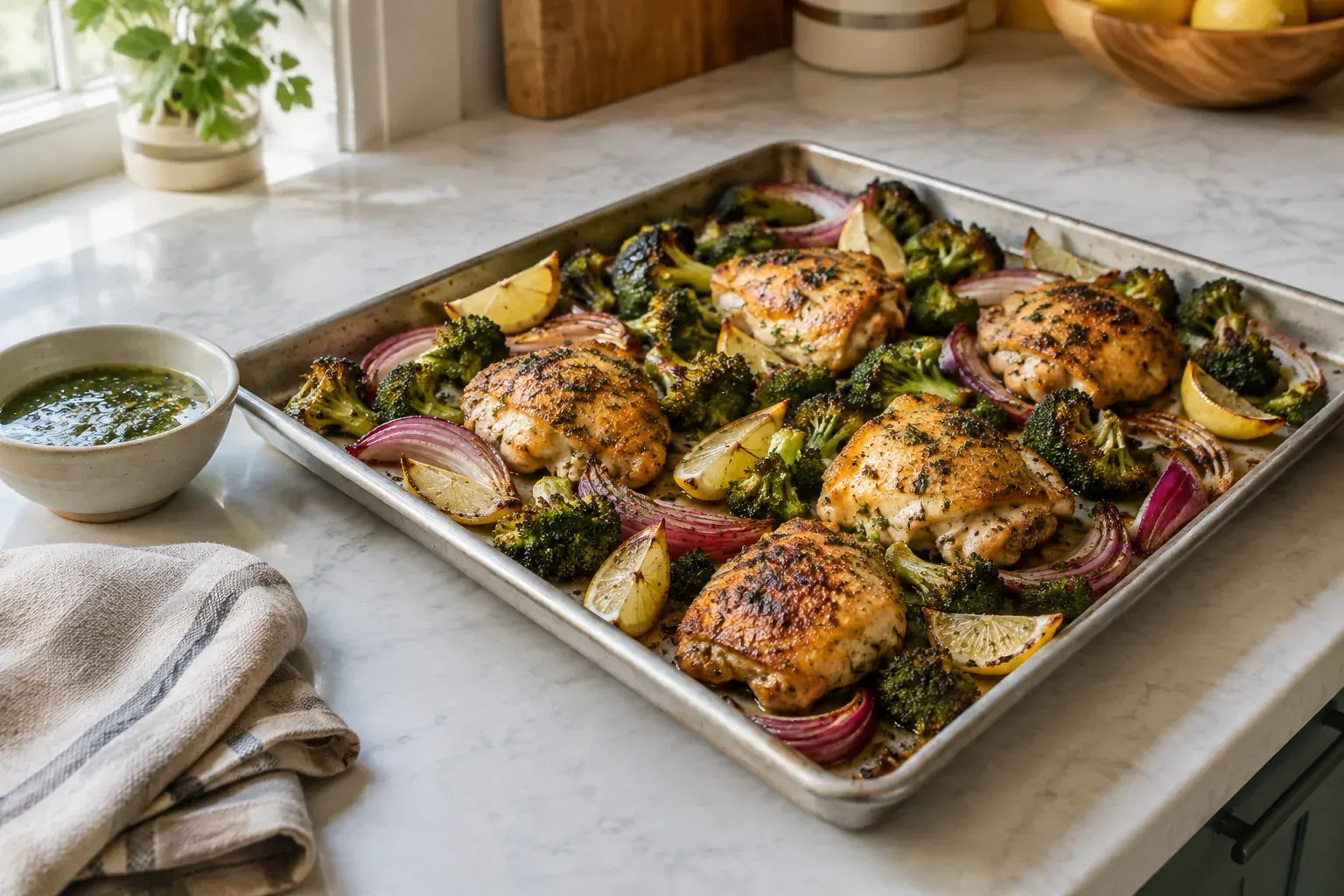
Choose ingredients that make sense together and can be prepared at roughly the same time. For example, chicken thighs, cauliflower and red onion can share a savory spice blend, while salmon, broccoli and snap peas work with lemon and garlic.
A basic preparation sequence:
- Heat the oven and prepare a rimmed baking sheet.
- Cut the ingredients to suit their cooking times.
- Toss vegetables with enough oil to lightly coat them, then season.
- Arrange ingredients in a single layer, leaving a little space around them.
- Add quick-cooking ingredients later, if needed.
- Check the protein for safe doneness and add delicate sauces or fresh toppings at the end.
For a simple sauce, combine an oil or other fat with an acidic ingredient, such as lemon juice or vinegar, and add herbs, spices, mustard or garlic. Use only enough to coat the ingredients lightly. A large pour of liquid can collect on the pan and make the food steam instead of brown.
Pro tip: Keep a few combinations in mind rather than following a fixed recipe every night. A reliable seasoning blend and a finishing ingredient, such as yogurt sauce, pesto or lemon, can make familiar vegetables feel different.
Cut ingredients for even cooking
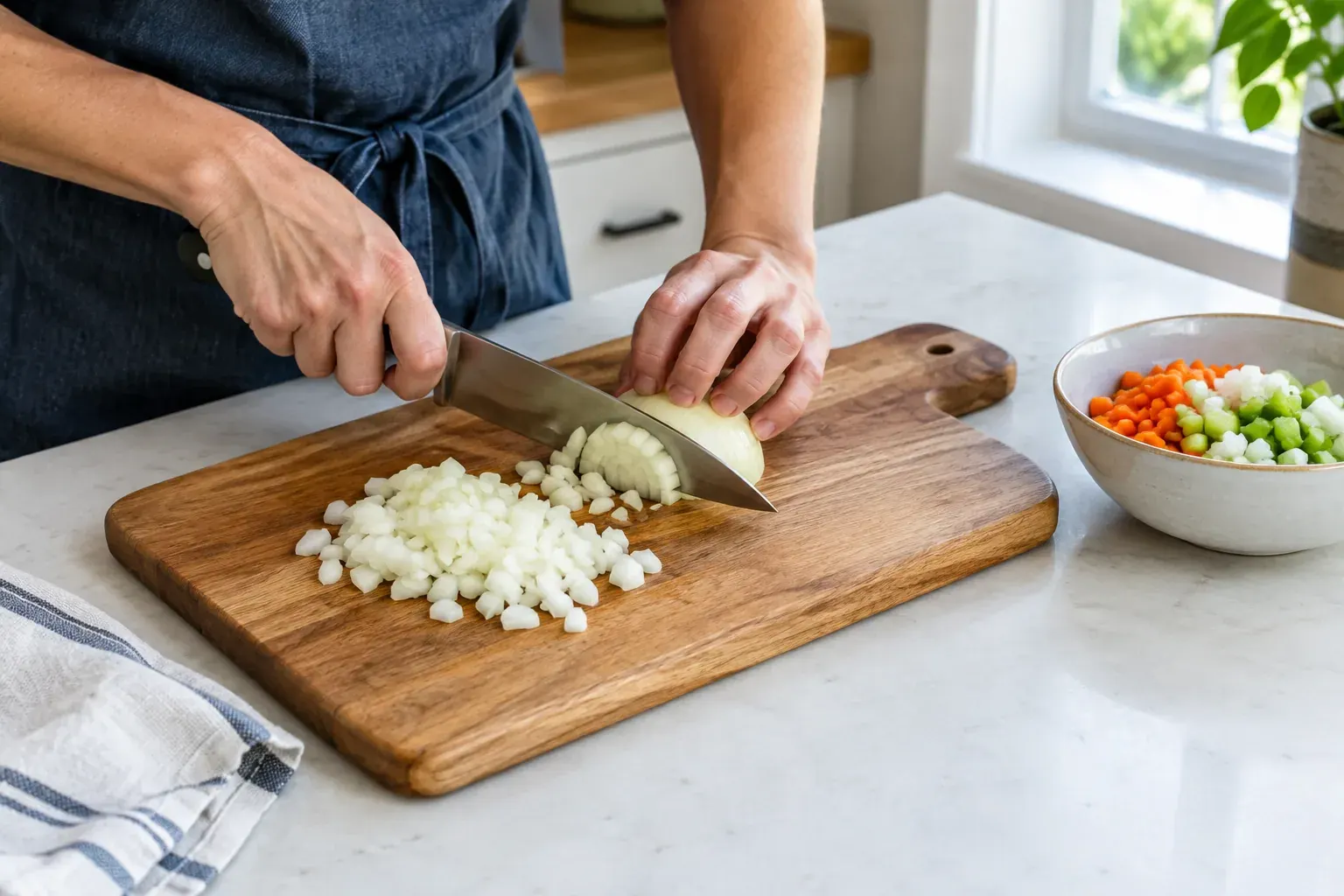
The shape and size of each piece affect how quickly it cooks. Make pieces of the same ingredient roughly equal in size, and cut dense vegetables smaller than tender vegetables. Potatoes cut into ½-inch cubes cook faster than large wedges, while thin slices of zucchini need less time than thick chunks.
Match the cuts to the protein. If chicken is cut into bite-size pieces, use vegetables that can finish in a similar window, or give denser vegetables a head start. For whole fillets or chops, keep vegetables in pieces that will not be done long before the protein.
Use a stable cutting board and a sharp knife. If you want a refresher on safe, consistent cuts, see Knife Skills 101: How to Chop, Dice and Mince Safely.
Keep raw meat and seafood separate from ready-to-eat ingredients. Wash your hands, utensils and work surfaces after handling raw protein, and do not use a plate that held raw meat for cooked food unless you wash it first. Do not rinse raw poultry, since splashing can spread germs around the sink and counter.
Choose an oven temperature and plan the timing
For many sheet pan meals, 425°F is a practical starting temperature. It is hot enough to brown many vegetables, but not so high that you must rush through preparation. Use about 400°F for ingredients with a sugary glaze or for a gentler roast, and consider 450°F for sturdy vegetables when you want more browning and can watch the pan closely.
The table gives rough timing estimates at 425°F. Actual times depend on the size and thickness of the pieces, how cold the ingredients are, the pan and your oven. Treat the clock as a reminder to check, not proof that food is done.
| Ingredient, prepared as shown | Approximate time at 425°F | Timing approach |
|---|---|---|
| Potatoes or sweet potatoes, ½-inch cubes | 25 to 35 minutes | Start first; turn or stir partway through. |
| Carrots, cut into small pieces, or halved Brussels sprouts | 20 to 30 minutes | Start with potatoes or roast alone if the pieces are large. |
| Broccoli or cauliflower florets, about 1½ inches | 15 to 22 minutes | Add after dense vegetables have had a head start. |
| Bell pepper and onion strips | 15 to 22 minutes | Add with other medium-cooking vegetables. |
| Boneless chicken breast, cut into 1-inch pieces | 15 to 20 minutes | Check the thickest pieces with a thermometer. |
| Boneless chicken thighs, cut into 1-inch pieces | 18 to 25 minutes | Check the thickest pieces with a thermometer. |
| Salmon fillet, about 1 inch thick | 10 to 15 minutes | Add after vegetables have started cooking. |
| Large shrimp | 6 to 10 minutes | Add near the end and check promptly. |
For safety, cook poultry to 165°F. Fish and shellfish should reach 145°F. Whole cuts of pork, beef, veal and lamb should reach 145°F and rest for at least 3 minutes; ground meat should reach 160°F. Use a food thermometer in the thickest part, and follow package directions for products with specific cooking instructions.
To stagger ingredients, start the oven with the longest-cooking vegetables, then add the protein or quicker vegetables later. Use separate sections of the pan if that helps you keep track, but do not let raw protein juices drip onto food that will be served without further cooking. If ingredients need substantially different temperatures or cooking times, use two pans rather than forcing them into one schedule.
Good to know: A crowded pan traps moisture. If the vegetables are piled together or covered in liquid, they are more likely to soften than brown. Two pans can cook more evenly than one overloaded pan.
Five combinations to adapt
These combinations are starting points, not exact recipes. Cut ingredients to similar sizes, season to taste and use a thermometer for meat and seafood. Add sauces that contain honey, sugar or dairy near the end if they might scorch or separate.
- Chicken, cauliflower and red onion: Use boneless chicken thighs cut into 1-inch pieces with cauliflower florets and onion wedges. Roast the cauliflower and onion first if the florets are large, then add chicken. Season with paprika, garlic, salt and pepper; finish with lemon.
- Salmon, broccoli and snap peas: Start broccoli florets in the oven for several minutes, then add salmon fillets and snap peas. Season with oil, garlic and black pepper. Add lemon juice after roasting so the fish and vegetables do not sit in a pool of liquid.
- Sausage, potatoes and peppers: Cut potatoes into small cubes and roast them first. Add sliced bell pepper and onion, plus sausage according to its package directions. Some sausages are fully cooked and others are raw. For raw pork or beef sausage, check that it reaches 160°F; raw poultry sausage should reach 165°F.
- Tofu, carrots and broccoli: Press extra-firm tofu to remove excess moisture, cut it into cubes and toss lightly with oil and seasonings. Roast small carrot pieces first, then add tofu and broccoli. Add a soy-ginger style sauce after cooking or during only the last few minutes so it does not burn.
- Shrimp, zucchini and cherry tomatoes: Roast zucchini and tomatoes first, then add large shrimp for the final few minutes. Season with olive oil, garlic and black pepper, then finish with lemon or chopped herbs. Shrimp cooks quickly, so check it promptly and use a thermometer to confirm 145°F.
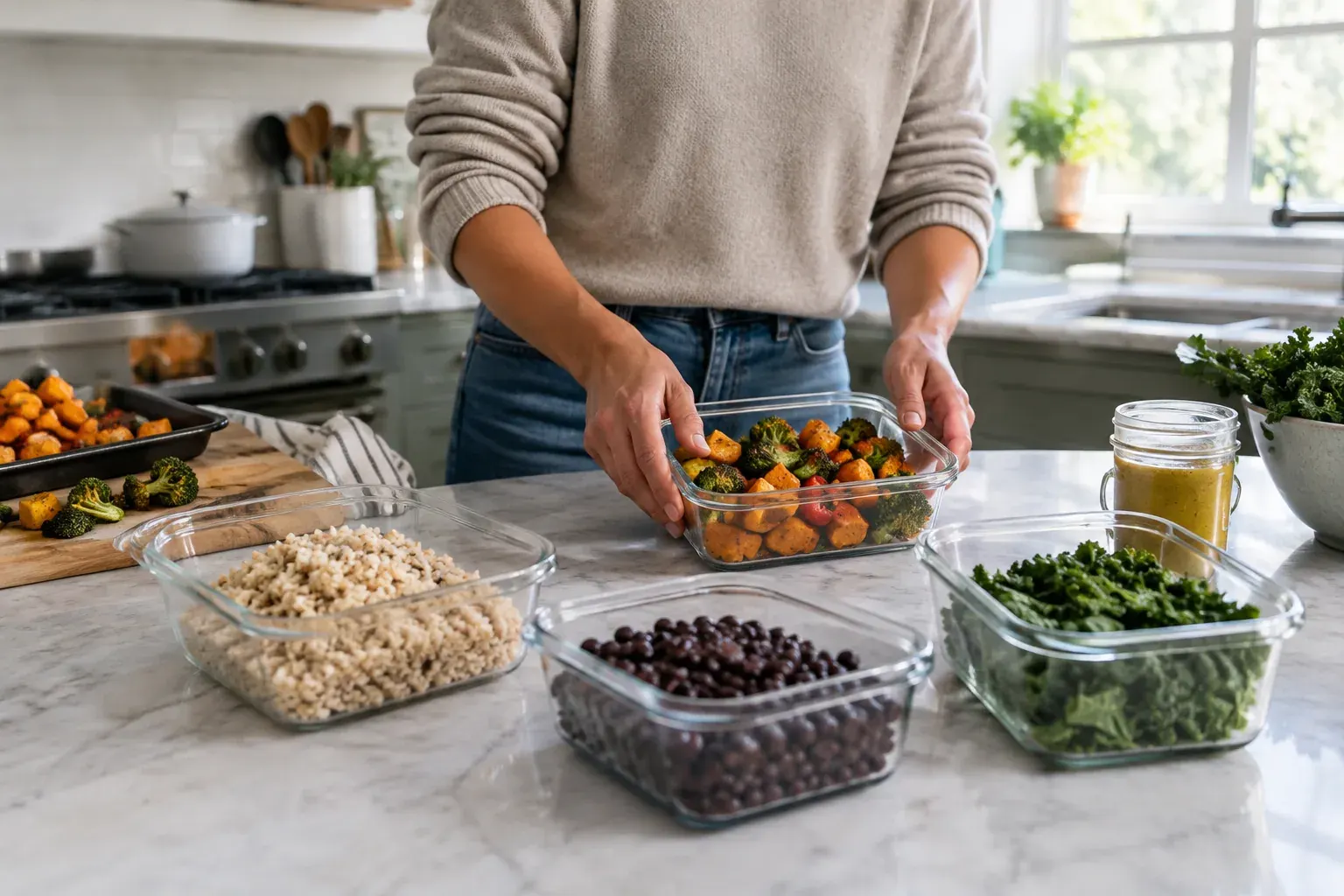
You can make the work easier by washing and cutting vegetables ahead of time, then storing them refrigerated in sealed containers. Keep raw proteins separate and prepare them close to cooking time. For a fuller weekly plan, Meal Prep for Beginners: A Simple Weekly System That Saves Time and Money has ideas for organizing prep without cooking every meal in advance.
Choose the right pan, lining and sauce
Use a sturdy, rimmed baking sheet. The rim helps contain oil and juices, and a heavier pan is less likely to warp at high heat. A shallow roasting pan can work, but a deep dish may hold moisture around the food and reduce browning.
Parchment paper can make cleanup easier and help prevent sticking. Choose parchment labeled for oven use and follow its temperature limit. Keep it away from exposed heating elements, and do not put parchment under a broiler. If you want to broil for a quick finish, remove the parchment first and use a broiler-safe pan.
Foil is another lining option, though food can stick unless the surface is lightly oiled. A silicone baking mat is reusable, but it may change how quickly the bottoms brown. For crispier results, roast directly on a clean, lightly oiled pan if the recipe and ingredients allow it.
Add a thin coat of oil to help vegetables brown and seasonings stick. Do not pour a watery marinade over the pan. Instead, drain or lightly blot marinated ingredients, then add a fresh spoonful of sauce at the table or during the final few minutes of cooking.
Clean up and store leftovers safely
Let the pan cool enough to handle, then remove scraps and soak stuck-on bits in warm, soapy water. Avoid plunging a very hot pan into cold water, which can warp some pans. If you used parchment, lift it off and discard it after the pan has cooled.
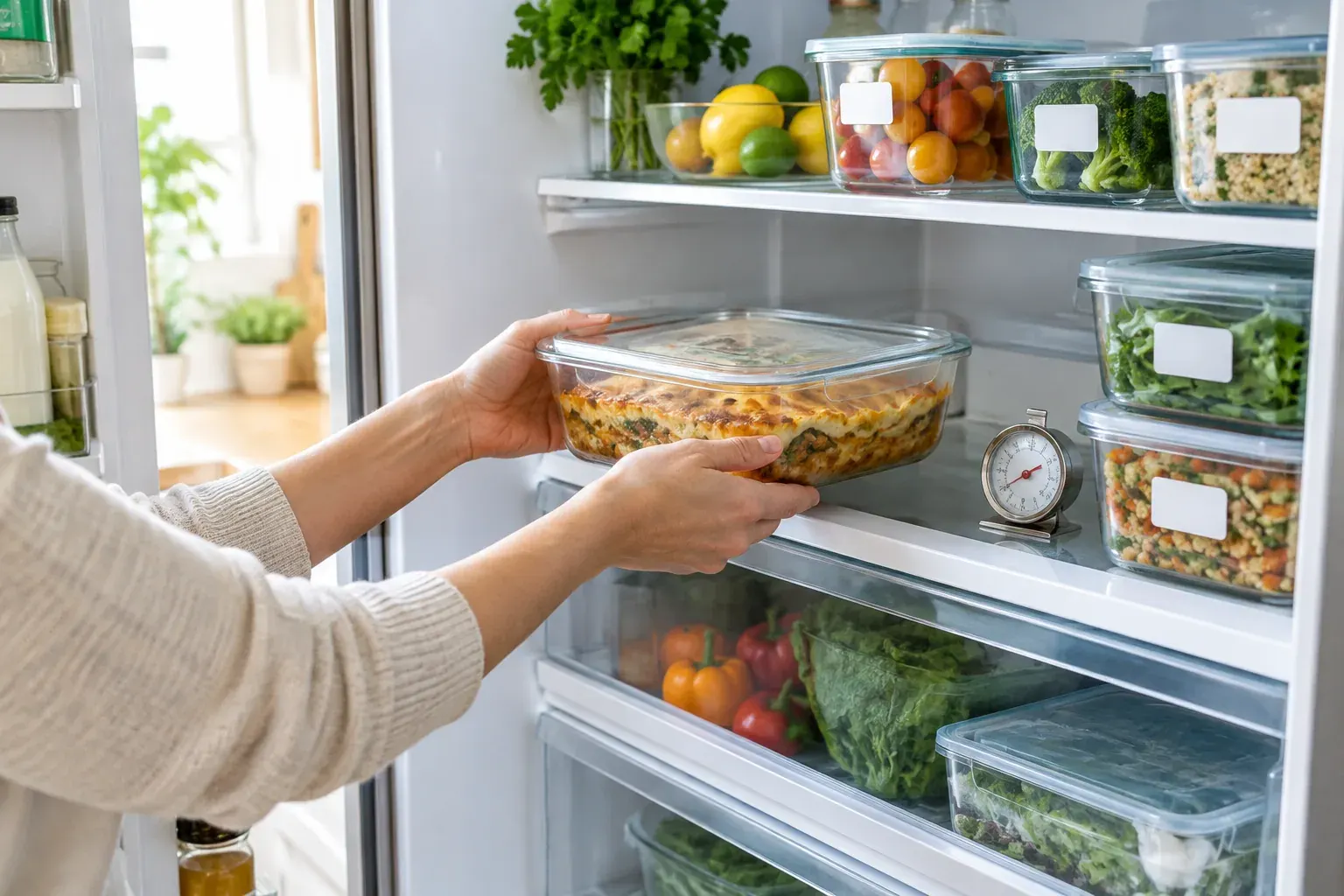
Refrigerate perishable leftovers within 2 hours of cooking, or within 1 hour when the surrounding temperature is above 90°F. Store them in shallow containers so they cool promptly, and reheat leftovers until hot throughout. For more on storage windows and safe handling, see How Long Do Leftovers Last? A Practical Fridge and Freezer Guide.
If you are cooking extra portions, separate them from the pan while they are still fresh rather than leaving them out during a long meal. Keep sauces and crisp toppings separate when you can, so they are easier to refresh after reheating.
Common mistakes to avoid
- Cutting everything the same size: Different ingredients have different densities. Cut dense vegetables smaller, or give them a head start.
- Overcrowding the pan: Crowded food releases steam and may cook unevenly. Use two pans when you cannot arrange the ingredients in one layer.
- Adding sauce too early: Sugary sauces can burn, and watery sauces can prevent browning. Add them late or serve them on the side.
- Trusting the recipe time alone: Ovens and ingredient sizes vary. Check meat and seafood with a food thermometer, and look for even browning on vegetables.
- Treating all sausage or fish the same: Products differ in whether they are raw or fully cooked, and thickness affects timing. Read the package and check safe internal temperatures where applicable.
- Using parchment under the broiler: Parchment can scorch or catch fire near direct high heat. Follow its package directions and remove it before broiling.
The Bottom Line
A good sheet pan dinner is less about putting everything in the oven at once and more about matching ingredients. Choose a protein, vegetables and seasonings that work together, cut them for compatible cook times, and stagger the ingredients that need a head start.
Start around 425°F, leave room on the pan and use a thermometer to confirm safe doneness. With those habits, the same simple formula can produce many different weeknight meals with manageable cleanup.
Frequently asked questions
What temperature is best for sheet pan dinners?
425°F is a useful starting point for many proteins and vegetables. Use a lower temperature for sugary glazes or gentler cooking, and watch closely at higher temperatures because ingredients can brown quickly.
How do you keep vegetables from getting soggy on a sheet pan?
Cut them to suit their cooking times, coat them lightly with oil and spread them in a single layer with space between pieces. Use two pans if the ingredients crowd the baking sheet, and avoid adding excess liquid.
Can you cook meat and vegetables on the same sheet pan?
Yes, if the vegetables will cook safely alongside the raw meat and the ingredients fit without crowding. Keep raw juices away from foods that will not be cooked further, and use a food thermometer to check the meat's safe internal temperature.
Should you use parchment paper for sheet pan dinners?
Oven-safe parchment can reduce sticking and make cleanup easier. Follow the package temperature limit, keep it away from heating elements and never use it under a broiler.
How long do sheet pan dinner leftovers last in the fridge?
Refrigerate leftovers within 2 hours of cooking and keep them in a covered container. For specific storage guidance by food type, consult the USDA food-safety recommendations and use the related leftovers guide.