How to Stock a Budget-Friendly Pantry: The Staples Worth Buying
A well-stocked pantry is built around the meals you actually make, not a long shopping list. Start small, store staples well and keep a few flexible meal combinations on hand.
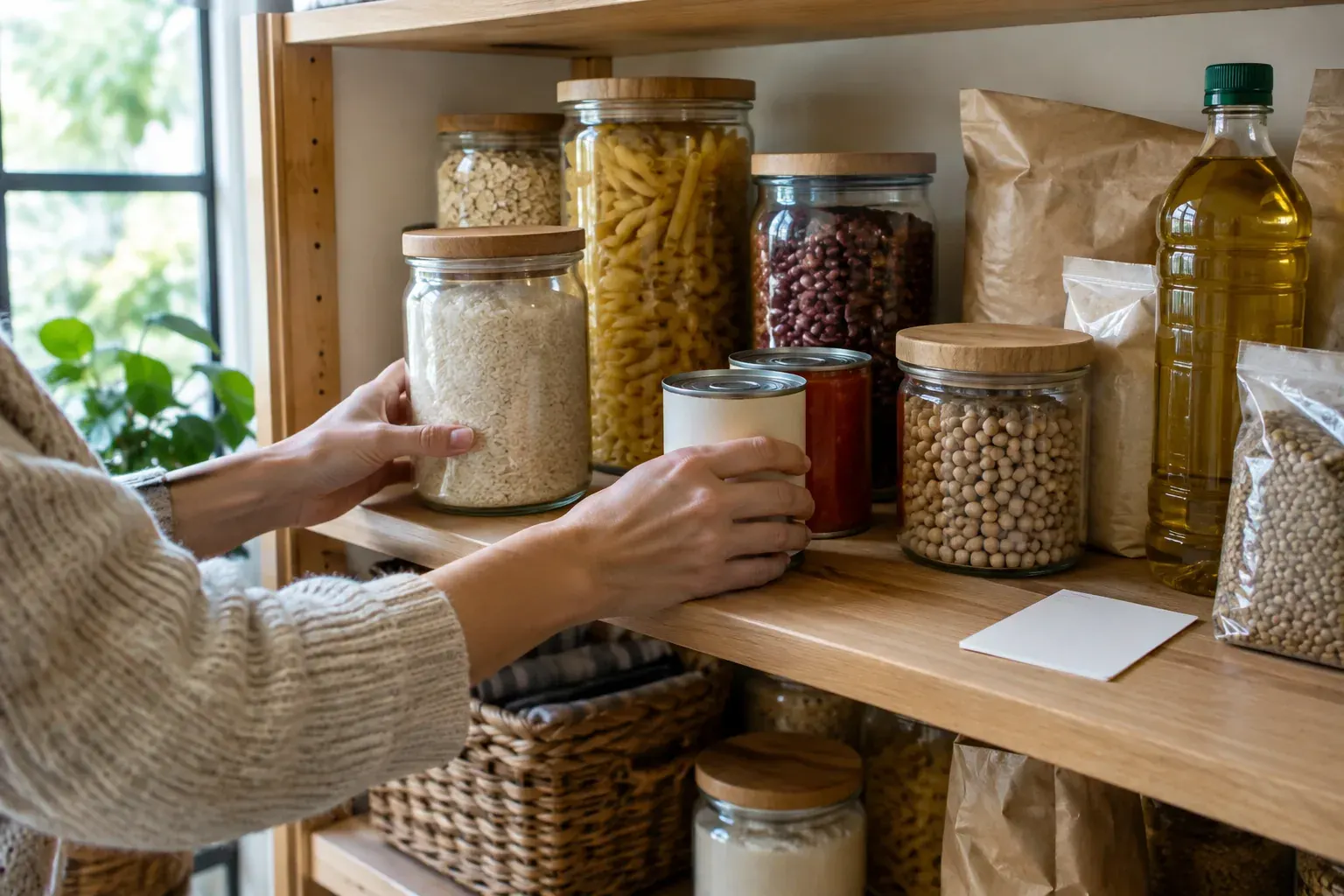
Key takeaways
- Choose pantry staples that work in several meals you already like.
- Add a few items at a time and compare unit prices before buying larger packages.
- Store dry goods sealed, cool and dry, and use older items first.
- Build simple meals from grains, beans, canned goods and a few flavor boosters.
- Keep an inventory and plan meals around food that needs to be used soon.
In this guide
A pantry can make weeknight meals easier and help you avoid last-minute grocery runs, but stocking one all at once can strain your budget. The most useful pantry is not the biggest one. It is a small collection of ingredients you know how to use.
This guide explains which staples earn their space, how to add them gradually, and how to store them so they stay in good condition. You will also find simple meal combinations and habits that help prevent waste.
Start with the meals you already make
Before buying anything, think about the meals you cook often and the ingredients that show up in more than one. If you make pasta, soups and rice bowls, dry pasta, rice, canned tomatoes and beans may be more valuable than specialty ingredients for a recipe you rarely cook.
Write down five or six easy meals your household likes. Note the shelf-stable ingredients used in each, then look for overlap. A short list based on your routines is easier to afford and maintain than a generic list of dozens of staples.
A budget pantry should also reflect your cooking setup and household. If you have limited cabinet space, choose smaller packages. If you do not bake, you may not need flour, sugar or baking powder. For more ways to keep food spending in check, see How to Save Money on Groceries Without Extreme Couponing.
Pro tip: Before shopping, check your cabinets, refrigerator and freezer. Cross off anything you already have, including half-used packages tucked behind newer items.
Pantry staples worth considering
You do not need every item in each category. Start with the foods you will use in multiple meals, then add ingredients that match your preferences, dietary needs and cooking habits.
| Category | Useful starter choices | What they can do |
|---|---|---|
| Grains and starches | Rice, oats, pasta, couscous, cornmeal or shelf-stable potatoes | Base for bowls, breakfasts, soups and sides |
| Beans and other proteins | Dry or canned beans, lentils, peanut butter, canned tuna or salmon | Add protein to soups, sandwiches, salads and main dishes |
| Canned and jarred foods | Tomatoes, tomato paste, vegetables, fruit and broth | Make sauces, soups and quick sides |
| Cooking basics | Neutral cooking oil, vinegar, salt and a few preferred spices | Help turn basic ingredients into different meals |
| Baking and breakfast | Flour, sugar, baking powder, pancake mix or dried fruit | Useful if you regularly bake or make breakfasts at home |
Grains and starches
Rice, oats and pasta are useful because they fit many meals and can be paired with vegetables, beans, eggs or canned fish. Choose the kind you already know how to cook. Brown rice and whole-grain pasta can be good choices if you enjoy them, but do not buy them just because they seem like a more virtuous pantry item.
Flour, cornmeal and other baking ingredients make sense when you bake regularly. Whole-grain flours and products with more natural oils can lose quality sooner than refined versions, so buy amounts you can use and follow package storage guidance.
Protein and filling add-ins
Canned beans are convenient, while dry beans and lentils can cost less per serving in some stores and take more time to prepare. If you use dry beans, plan for soaking or cooking time as needed. Lentils are often a practical starting point because many varieties cook without a long soak.
Peanut butter, canned fish and shelf-stable milk can be useful, but only if they fit your household’s tastes and dietary needs. Check labels for allergens, sodium and added ingredients if those matter to you. Keep a few canned beans or another ready-to-eat protein on hand for days when cooking time is short.
Canned foods and flavor boosters
Canned tomatoes, broth, vegetables and fruit can add flexibility without requiring fresh produce for every meal. Pick low-sodium versions when available if you are watching sodium, and rinse canned beans to reduce some of the surface salt. A small group of familiar seasonings, such as garlic powder, chili powder, curry powder or dried herbs, is usually more useful than a large rack of spices you rarely touch.
Oil, vinegar, mustard, soy sauce and bouillon can bring flavor to simple meals. Buy condiments and specialty sauces in modest amounts until you know you use them often. Check storage instructions after opening, because some products need refrigeration.
Build your pantry a little at a time
A pantry is a gradual project, not a one-trip shopping challenge. Add a few items during regular grocery trips, prioritizing ingredients that complete meals you already cook. This lowers the chance that money gets tied up in food you do not enjoy.
Try this simple sequence:
- Pick three to five meals you want to make more easily.
- List the shelf-stable ingredients those meals share.
- Buy one or two missing staples at a time, choosing package sizes you can store and use.
- Cook with each new ingredient soon after buying it.
- Restock only after checking what remains and how quickly you used it.
Compare unit prices on shelf labels, but consider the whole cost. A larger package may have a lower price per ounce and still be a poor buy if it spoils, attracts pests or takes up space you need. Store brands can be a useful option, but compare ingredients and package sizes rather than assuming one brand is always cheaper.
If you shop at warehouse stores, split large packages with someone you trust only if you can transfer the food safely into clean, airtight containers. Buying in bulk is most useful for ingredients your household uses steadily and can store properly. For a practical system to use the food you buy, read Meal Prep for Beginners: A Simple Weekly System That Saves Time and Money.
Store food for quality and safety
Keep pantry food in a cool, dry place away from direct sunlight, the stove, dishwasher and other heat sources. A cabinet near a sink or under it may be convenient, but leaks and humidity can damage packaging and encourage pests. Avoid storing food on the floor, where spills and pests are harder to spot.
Once you open dry goods, reseal the original package or move the food to a clean, dry, airtight container. Label the container with the food name and the package’s date information, especially if you transfer several foods at once. Keep package directions for items with special handling needs.
| Food type | Storage guidance | Check before using |
|---|---|---|
| Flour, oats, rice and pasta | Seal tightly; keep away from heat and moisture | Look for insects, dampness, unusual odors or damaged packaging |
| Canned goods | Store in a dry cabinet and rotate older cans forward | Discard cans that are swollen, leaking, badly rusted or deeply dented, especially at seams |
| Oils, nuts and nut butters | Follow the label; limit exposure to heat and air | Check for stale or rancid odors and changes in quality |
| Opened sauces and broth | Refrigerate if the label says to, and follow its use instructions | Discard if you see mold, leaking or other signs of spoilage |
Package dates are generally about quality, not a guarantee that a food is safe or unsafe on that exact day. Use your judgment, follow the product’s storage directions and discard food with signs of spoilage. Never taste food from a damaged can to decide whether it is safe. For specific food-safety questions, consult the USDA or FDA guidance.
Safety note: Do not use cans that are bulging, leaking, spurting liquid when opened or badly damaged at the seams. When in doubt about a questionable item, throw it out.
Organize so food gets used
A tidy pantry does not need matching containers or a major makeover. Keep foods visible and group similar items together, such as grains, canned goods, baking supplies and snacks. Put frequently used ingredients at eye level and heavier cans on a lower shelf.
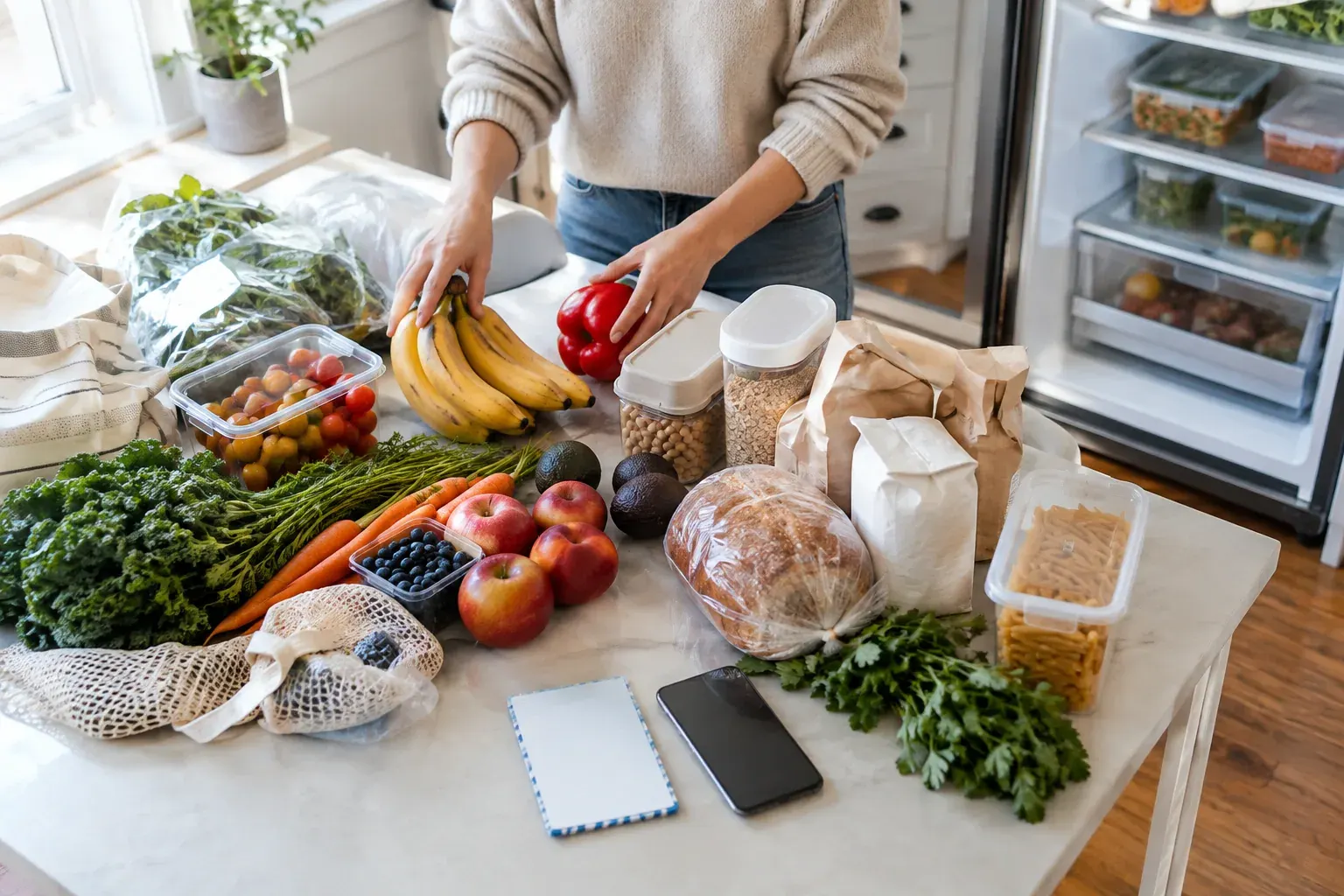
Use a first-in, first-out routine: move older items to the front when you bring home replacements. Write a short list of foods that are running low, or keep a note on your phone. A quick inventory before shopping can prevent duplicate purchases and help you plan around an ingredient that is already open.
If you decant food into containers, make sure they are food-safe, clean and fully dry. Keep the original package or record its cooking directions and date information. Do not pour a new purchase on top of an older batch without cleaning the container first.
Make simple meals from pantry staples
A flexible formula is easier to remember than a collection of exact recipes: combine a grain or starch, a protein, a vegetable or fruit, and a flavoring. The ingredients can vary based on what is in your kitchen.
- Rice bowl: Serve rice with canned beans, corn or another vegetable, salsa and a little oil or seasoning.
- Pasta dinner: Toss pasta with canned tomatoes, garlic powder and beans, or add canned tuna and a spoonful of olive oil.
- Soup: Simmer broth with lentils or beans, canned tomatoes and any suitable vegetables you have. Add pasta or rice if you want a heartier bowl.
- Oatmeal: Cook oats with water or milk, then add peanut butter, dried fruit, cinnamon or another topping.
- Chickpea curry: Simmer canned chickpeas with curry powder and canned tomatoes, then serve over rice. Add coconut milk if you keep it on hand and enjoy it.
These are starting points, not strict recipes. Adjust seasonings to taste and use perishable ingredients that need attention first. A pantry meal can also include frozen or refrigerated food, so it does not have to be made exclusively from shelf-stable ingredients.
Good to know: Keep a short list of dependable pantry meals inside a cabinet door or in your phone. When plans change, you can check the list before ordering takeout or making an extra store trip.
Avoid common pantry mistakes and food waste
The most common problem is buying for an imagined routine instead of your actual one. A bag of specialty grain or a stack of canned vegetables is not a bargain if it sits unused. Start with familiar foods, then try one new staple at a time.
Other habits can leave you with expired, stale or forgotten food:
- Buying too much at once: Large packages only save money when you can use and store them well.
- Shopping without checking inventory: A quick cabinet check helps prevent duplicates.
- Keeping too many one-use ingredients: Before buying something for a single recipe, look for other meals that use it.
- Ignoring package instructions: Some foods need particular storage conditions after opening.
- Forgetting older items: Rotate food and plan a meal around items approaching their best-quality date.
- Storing food in damp or hot places: Heat, humidity and sunlight can shorten quality and damage packaging.
When you have leftovers from a pantry meal, cool and refrigerate them promptly in suitable containers, and use established food-safety guidance for storage times. The How Long Do Leftovers Last? A Practical Fridge and Freezer Guide can help you decide how to handle cooked food. If a dry staple has an unusual smell, visible insects or signs of moisture, do not try to salvage it by mixing it with fresh food.
The Bottom Line
A budget-friendly pantry starts with a handful of ingredients that match the meals you already make. Add them gradually, compare unit prices, and buy only amounts you can store and use.
Keep food sealed in a cool, dry place, rotate older items forward and check your inventory before each shopping trip. With a few grains, proteins, canned foods and flavor boosters, you can put together flexible meals without turning your cupboards into a collection of forgotten purchases.
Frequently asked questions
What are the most important foods to keep in a pantry?
Start with foods you use in several meals, such as rice or pasta, oats, beans or lentils, canned tomatoes, cooking oil and a few seasonings. Your best list depends on what you like to cook, your dietary needs and the space you have.
How can I stock a pantry when I have a tight budget?
Add a few ingredients at a time, starting with items that complete meals you already make. Check what you own before shopping, compare unit prices and avoid large packages unless you can use and store them.
How should I store pantry staples?
Keep dry foods sealed in clean, dry containers or well-closed packages in a cool, dry place away from heat and sunlight. Follow the label for opened products, and refrigerate items when the instructions require it.
Do pantry foods become unsafe after the best-by date?
A best-by date generally refers to quality, not an automatic safety cutoff, but storage conditions and the food itself matter. Discard food with signs of spoilage, and never use a swollen, leaking or badly damaged can.
What meals can I make with basic pantry ingredients?
Common options include rice and bean bowls, pasta with canned tomatoes, lentil soup, oatmeal with peanut butter, and chickpeas simmered with tomatoes and curry powder. Add fresh, frozen or refrigerated ingredients when you have them.