How to Save Money on Groceries Without Extreme Couponing
A few repeatable habits can lower your grocery bill without turning shopping into a second job. Plan around what you eat, compare real prices and use what you buy.
Key takeaways
- Plan meals around food you already have, then build a short list for the week.
- Use sales to stock up only on foods your household will use before they spoil.
- Compare unit prices and ingredients instead of assuming the biggest package or store brand is cheapest.
- Choose stores and warehouse memberships based on your actual shopping habits and travel costs.
- Reduce waste with a weekly fridge check, flexible meals and safe storage.
In this guide
- Start with a plan based on what you have
- Use sales without buying more than you need
- Compare unit prices and store brands
- Choose stores, clubs and apps that fit your routine
- Buy seasonal produce and make flexible substitutions
- Reduce food waste with a simple storage system
- Build a weekly grocery routine
- Common mistakes to avoid
- The Bottom Line
Saving money on groceries does not require a binder of coupons or shopping at five stores every week. A short plan, a few price comparisons and better use of the food you already buy can make your budget go further.
This guide shows you how to plan around sales, compare store brands and unit prices, decide when a warehouse club makes sense, and waste less food. The goal is a routine you can repeat, not a perfect shop every time.
Start with a plan based on what you have
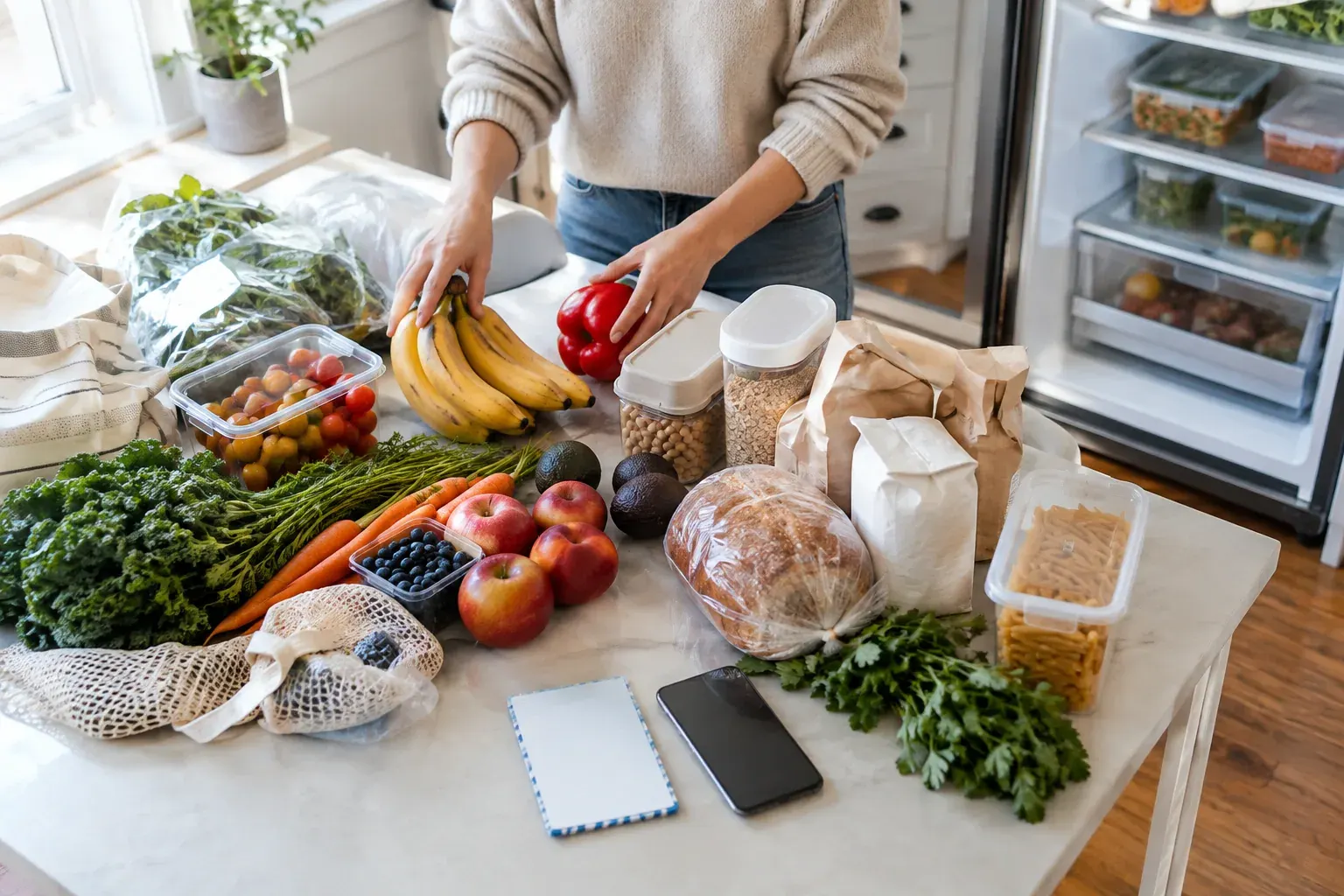
Before you make a list, check your refrigerator, freezer and pantry. Note ingredients that need to be used soon, such as opened dairy, produce or leftovers. Planning around those items can prevent you from buying duplicates and gives you a starting point for meals.
Choose a few dinners for the coming week, then add simple breakfasts, lunches and snacks. You do not need a detailed recipe for every meal. A loose plan, such as pasta one night, a soup or grain bowl another night, and leftovers for lunch, is enough to guide a useful shopping list.
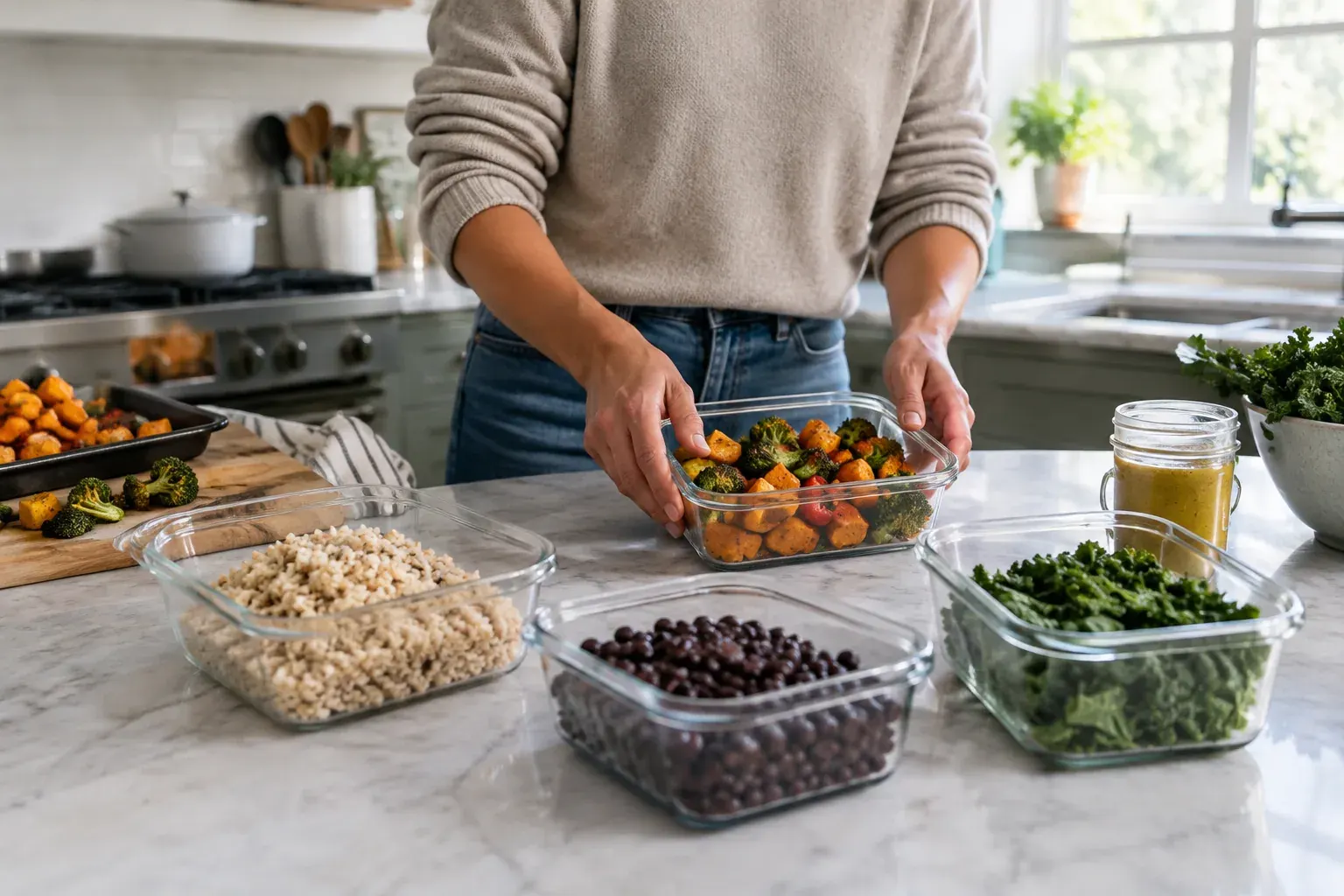
A practical list groups items by section of the store and includes quantities. If a recipe uses half a bag of spinach, decide how you will use the rest before adding it. For a repeatable approach, see Meal Prep for Beginners.
Set a spending target that fits your household, but treat it as a guide rather than a reason to skip essentials. If prices or your needs change, adjust the plan. A basic budget, such as the 50/30/20 Budget, can help you see how grocery spending fits alongside other bills, though it is not a grocery-specific rule.
Pro tip: Keep a running list on your phone or on paper during the week. Add an item when you use the last one, then check the list against your meal plan before shopping.
Use sales without buying more than you need
Weekly ads and digital circulars can help you spot lower prices on foods you already planned to buy. Check the sale section before finalizing your list, then swap in a meal that uses a featured ingredient when the change is practical. A sale is useful only if the food fits your plans and budget.
Stocking up can make sense for shelf-stable foods, freezer-friendly ingredients and household staples you use regularly. First ask how much you have, how soon you will use more, and whether you have room to store it. Buying an extra package is not a saving if it expires, gets freezer-burned or crowds out food you need now.
For foods you buy often, keep a simple record of the usual price at your regular store. A note in your phone is enough. It helps you recognize a genuine discount instead of relying on a bright sale tag or a claimed percentage off.
Some stores offer lower prices on selected items to bring shoppers in. You can use those offers if you are already going to that store, but avoid adding a separate trip for one small discount unless the savings are worth the time and transportation cost.
Compare unit prices and store brands
The shelf tag usually lists a unit price, such as cost per ounce, pound or count. Compare that figure across sizes and brands, not just the package price. The largest package is not always the cheapest, and unit prices may use different measures, so check that you are comparing like with like.
Unit price is a starting point, not the whole decision. Consider how much you can use, how long it will keep, and whether the package size suits your household. A lower cost per ounce can still be a poor buy if half the package is wasted.
Store brands are often worth trying for basic items such as canned beans, flour, rice, frozen vegetables and household staples. Compare the ingredient list, nutrition facts and package size with the name brand. For products where flavor or texture matters to you, buy one package first and decide whether the difference is worth the price.
Use this quick comparison when two options look similar:
| What to compare | What to check | Why it matters |
|---|---|---|
| Unit price | Cost per ounce, pound or item | Shows the price for a consistent amount |
| Package size | How much you can use before it spoils | A large package can create waste |
| Ingredients | Main ingredients and added ingredients | Products in the same category can differ |
| Quality and use | Whether it works in your usual meals | A cheaper item is not a value if you will not eat it |
| Sale price | The current price compared with your usual price | Helps identify a real saving |
Compare the same type of product when possible. A price per ounce may not tell you much if one item is concentrated or prepared and the other is not. Check the directions and usable amount as well as the shelf tag.
Choose stores, clubs and apps that fit your routine
Discount grocers, supermarkets, warehouse clubs and neighborhood stores can each be useful. Rather than assuming one type is always cheapest, compare the items you buy most often. A store with lower prices on pantry basics may not have the best value on every fresh item, and selection varies by region.
Warehouse clubs can work well for households that use large quantities, have room to store them and can split bulk packages. Before paying for a membership, compare likely savings on your regular purchases with the membership cost, travel and the temptation to add unplanned items. Check current membership terms and fees directly with the club because they can change.
| Shopping option | Often useful for | Check before you choose |
|---|---|---|
| Discount grocer | A focused list of everyday staples | Selection, package sizes and travel distance |
| Supermarket | A broad range of foods and weekly sale items | Whether sale prices require a loyalty account |
| Warehouse club | Bulk staples and foods your household uses often | Membership cost, storage space and spoilage risk |
| Neighborhood store | Convenient top-ups or specific items | Whether convenience offsets a higher shelf price |
Store apps and loyalty programs can make discounts easier to find. Before shopping, check whether you need to activate an offer or scan a digital card at checkout. Read the conditions, including size limits and eligible products, and compare the final price with another option.
You can decide whether a loyalty program is worth using based on its terms and your comfort with sharing purchase information. Do not buy something just to earn points or reach a reward threshold. If you use an app, set notifications to a level you can manage and avoid letting promotions replace your shopping list.
Good to know: A lower shelf price is not the only cost. Include a special trip, membership fee or extra fuel in your comparison when those costs are part of the decision.
Buy seasonal produce and make flexible substitutions
Produce in season may be more available and less expensive in some places, but growing seasons differ across the country. Local weather, transportation and store supply also affect prices, so use the produce section and store circular as guides rather than relying on a fixed national calendar.
If a planned fruit or vegetable is expensive, compare other options that serve the same purpose. Frozen vegetables can be convenient for cooked meals, and canned produce can be useful in recipes where texture is less important. Check labels for added ingredients that matter to you, such as salt or syrup.
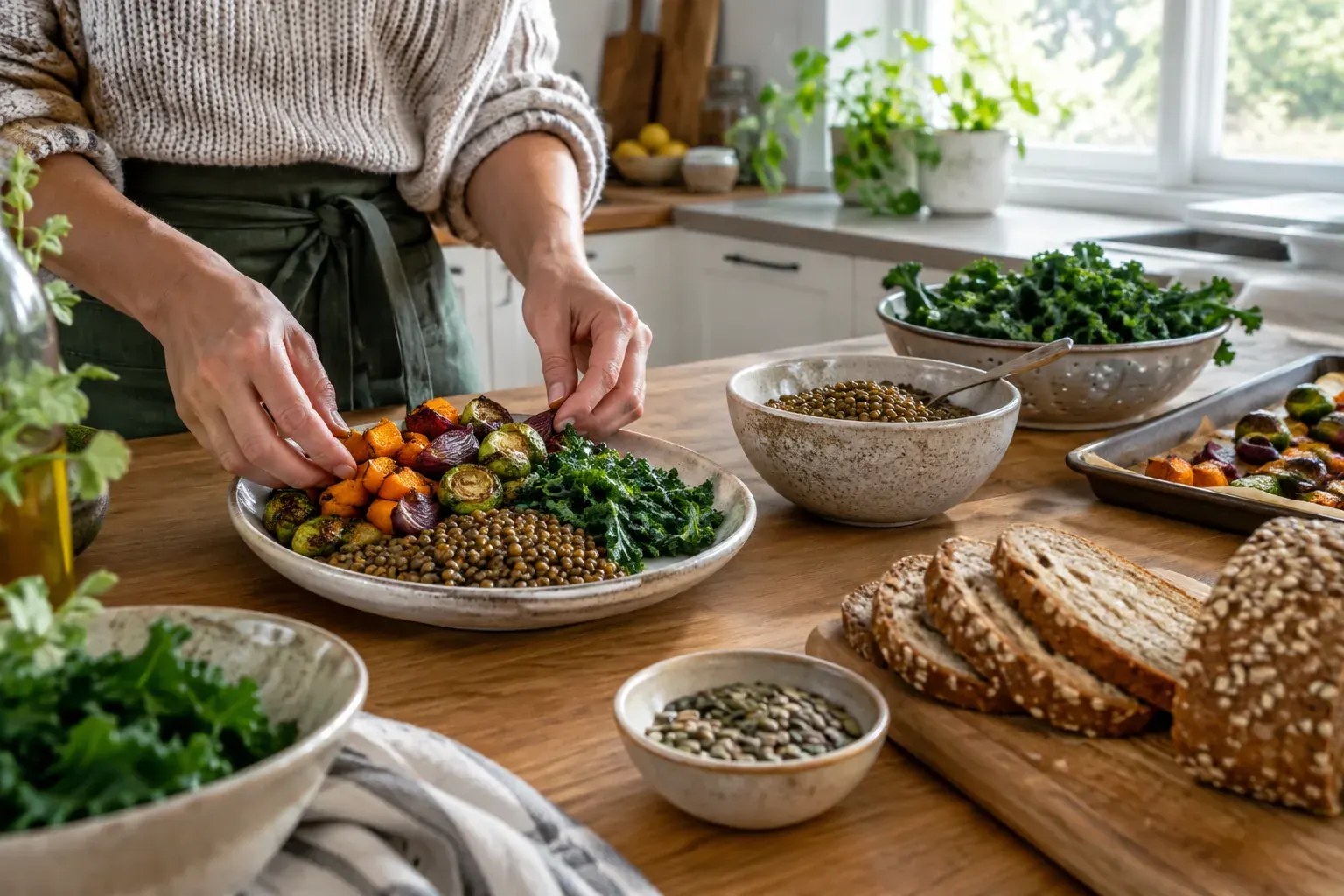
Keep a few flexible meal templates instead of tying every dinner to one exact ingredient. For example, a stir-fry, soup, pasta dish or grain bowl can use different vegetables depending on what is available. This makes it easier to take advantage of a reasonable price without buying unfamiliar ingredients that sit unused.
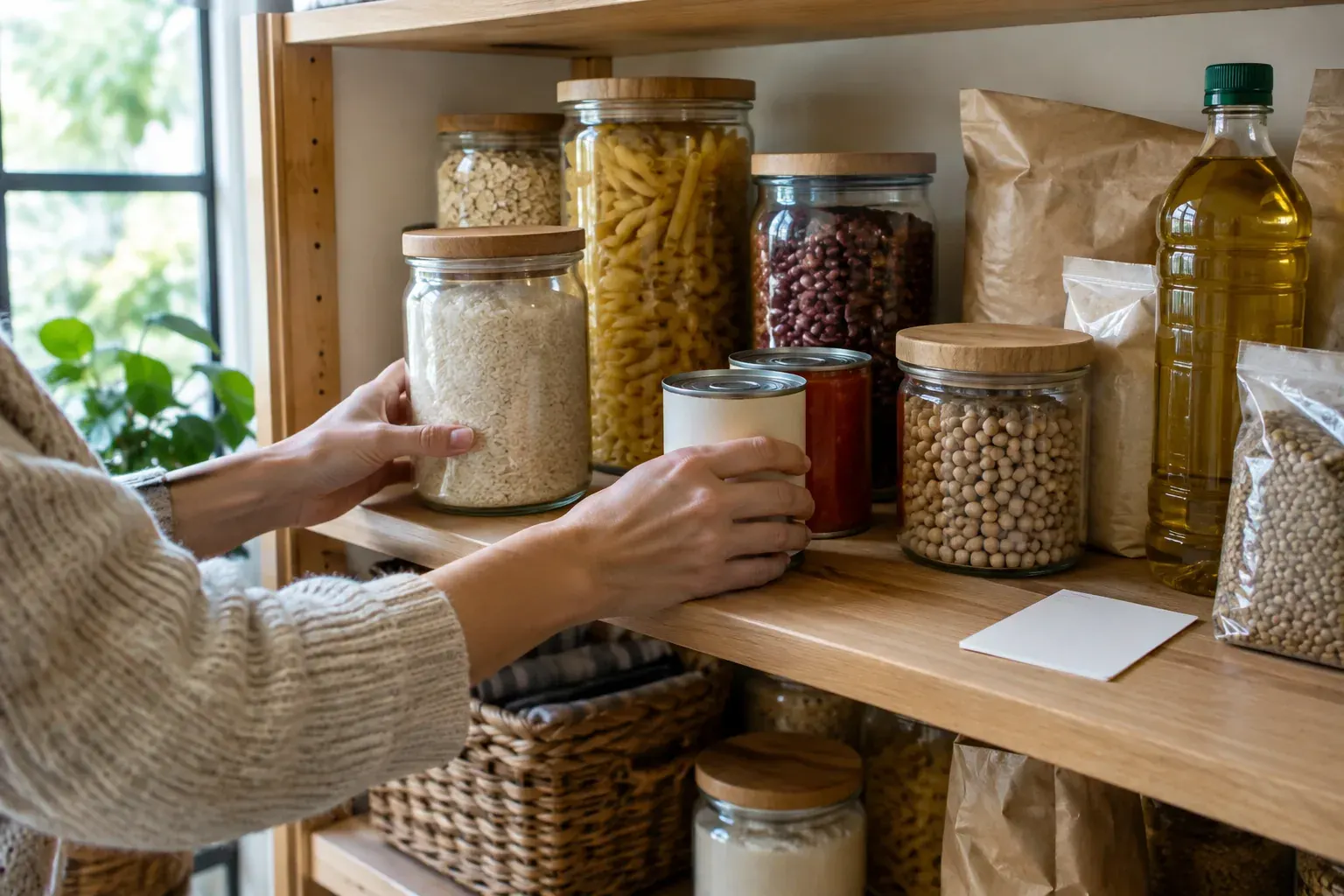
For a low-cost starting point, the list in How to Stock a Budget-Friendly Pantry can help you identify versatile ingredients to keep on hand. Choose staples your household actually eats, and add them gradually rather than buying a full pantry at once.
Reduce food waste with a simple storage system
Food that gets thrown away is money you have already spent. Put newer groceries behind older ones, keep foods that need to be used soon where you can see them, and label leftovers with what they are and when you stored them. These small habits make it easier to remember what is available.
Use a short weekly check to decide what needs attention:
- Move soon-to-expire ingredients to the front of the refrigerator.
- Freeze portions you will not use in time, using suitable containers and labeling them.
- Turn leftover vegetables, grains or cooked proteins into a planned meal.
- Store produce in ways suited to the item, since different fruits and vegetables have different storage needs.
- Buy a smaller quantity next time if a food repeatedly goes unused.
Plan one flexible meal each week for odds and ends. A soup, omelet, pasta dish or baked casserole can use ingredients that are still safe and suitable, but do not rely on smell or appearance alone to judge food safety. Follow safe storage guidance and discard food when you are unsure. See How Long Do Leftovers Last? for practical storage guidance.
Freezing can extend the time you have to use many foods, but it does not improve food that was already spoiled or stored unsafely. Divide food into portions you will actually use, and leave room in containers where food may expand. A freezer inventory, even a short list on the door, can help prevent forgotten packages from piling up.
Build a weekly grocery routine
A consistent routine makes it easier to save without spending hours planning. Try this sequence once a week, then adjust the day and level of detail to fit your schedule:
- Check what you have. Look through the refrigerator, freezer and pantry before opening a store app or ad.
- Choose meals. Plan a few dinners and decide how leftovers can cover lunches or another meal.
- Check sales and prices. Look for deals on planned foods and regular staples, then make substitutions only when they suit your meals.
- Write a specific list. Include quantities and group items by store section. Mark optional items so they are easy to skip if the total is high.
- Shop with a limit. Use the list, compare unit prices and check the receipt for errors or unexpected substitutions.
- Put groceries away with a plan. Store food promptly and place older items where they are easy to use first.
- Review briefly. Notice what ran out, what was wasted and which prices seemed worthwhile. Use that information for next week.
If you are shopping for a household, ask everyone to mention needed items before you leave. You can also choose a few repeat meals to reduce planning time, while leaving room to use seasonal produce or sale items. The system should match your schedule, not add another complicated task.
Common mistakes to avoid
- Buying a sale item because it is marked down. Check whether you already use it and can finish it in time.
- Assuming a bigger package costs less. Compare the unit price and account for the amount you may waste.
- Driving to several stores for small discounts. Add travel time and transportation costs to the comparison.
- Filling a cart before checking the kitchen. Duplicate purchases are easy to miss when you shop without an inventory.
- Treating coupons or points as cash. A discount only helps if the purchase was useful and the final price is competitive.
- Planning too many new recipes at once. New ingredients may go unused if the meal does not fit your household’s habits.
- Cutting the budget by skipping food you need. A sustainable plan should cover your household’s nutritional needs and practical preferences. If money is not enough for food, local food banks and the USDA National Hunger Hotline can help you look for support. Benefits and eligibility rules may vary, so check current program information with the relevant official agency.
The Bottom Line
The most dependable grocery savings come from buying food you will use, comparing the price for a consistent amount and choosing a store that fits your actual routine. Sales, store brands, apps and warehouse clubs can help, but none is automatically a bargain.
Start with one change this week: check what you already have, plan a few meals and make a focused list. Keep the habits that save money without adding stress, and adjust the rest to fit your household.
Frequently asked questions
What is the easiest way to save money on groceries?
Check your kitchen before shopping, plan a few meals and write a list with quantities. This helps reduce duplicate purchases and gives you a chance to use foods you already have.
Are store brands cheaper than name brands?
Often, but not always. Compare unit prices, package sizes and ingredients, then try one package if you are unsure whether your household likes it.
Are warehouse clubs worth the membership cost?
They can be worthwhile if you regularly use bulk quantities, have storage space and can avoid waste. Compare expected savings with the current membership fee, travel costs and the prices at stores you already use.
How can I tell if a grocery sale is really a good deal?
Compare the sale price with the item's usual price and its unit price. Consider whether you can use the amount before it spoils and whether the deal requires a purchase you did not plan to make.
How can I save money on groceries without wasting food?
Plan meals around ingredients you already own, store food promptly and keep older items visible. Freeze suitable portions you will not use soon, and follow safe storage guidance rather than stretching food beyond safe limits.