Hard-to-Kill Houseplants for Beginners (and How to Keep Them Thriving)
Start with plants that can handle a missed watering or less-than-perfect light. Learn how to choose a spot, water by feel and keep pets safe.
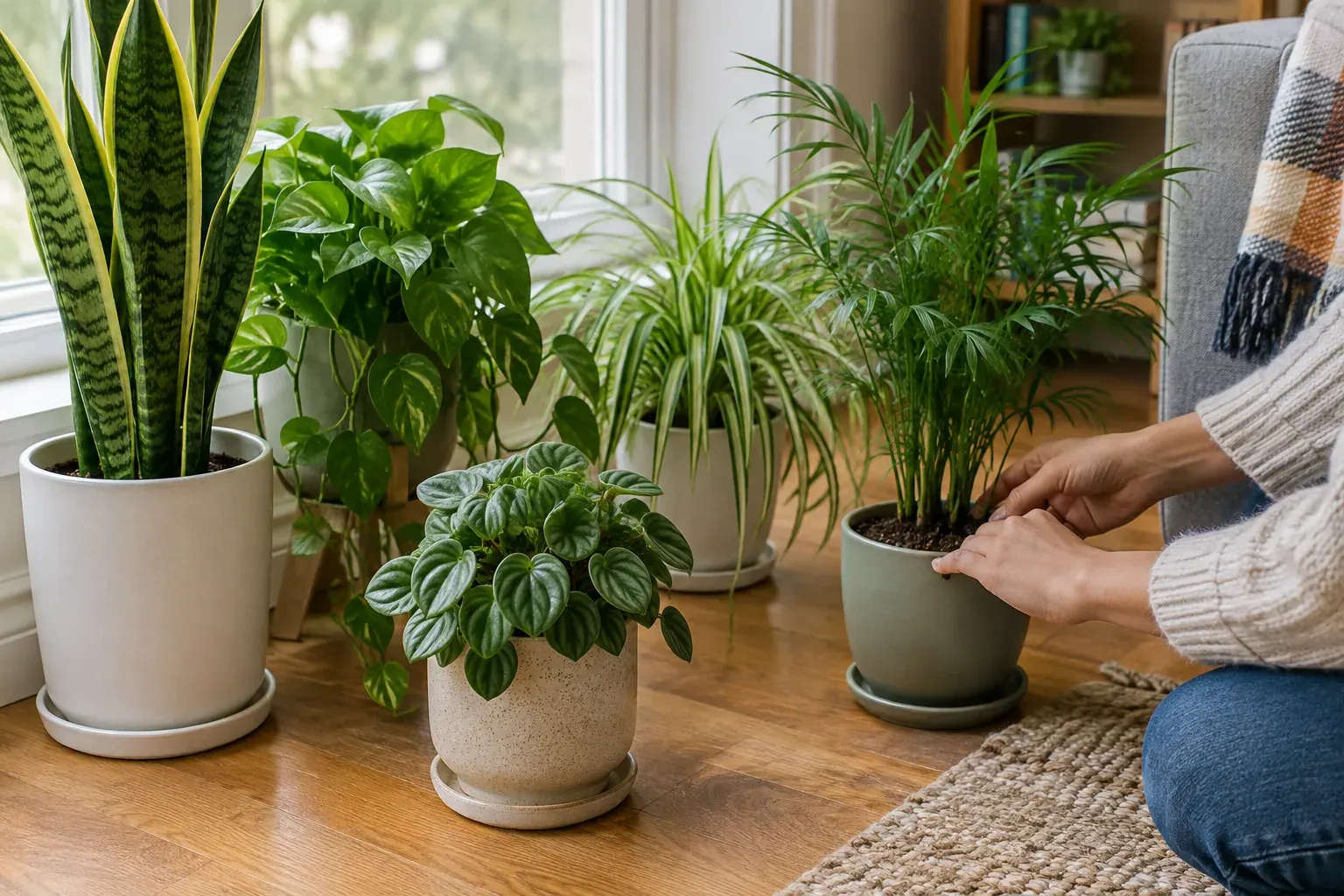
Key takeaways
- No houseplant thrives in a dark room. Match a plant to the light you have, and expect slower growth in dim spots.
- Check the potting mix before watering instead of following a fixed weekly schedule.
- Choose a pot with drainage holes and empty its saucer so roots do not sit in water.
- Pothos, snake plants, ZZ plants, philodendrons and dracaenas can be harmful to pets if chewed.
- In winter, lower light often means slower growth and less frequent watering, even in a heated home.
In this guide
A forgiving houseplant can make a room feel more inviting without demanding a complicated care routine. But even a tough plant can struggle if its spot is too dark, its soil stays soggy or it sits beside a hot air vent.
This guide compares 10 beginner-friendly plants, explains how to read the light in your home and gives you a simple way to decide when to water. You will also learn how to choose a potting mix, check pet safety and adjust care through the colder months.
Choose a forgiving plant for your home
The best starter plant is one that suits your space and your habits. Use the table to narrow down your options. The watering cue refers to the potting mix, not a set number of days between waterings.
| Plant | Light | Water when… | Pet safety |
|---|---|---|---|
| Pothos (Epipremnum aureum) | Low to bright, indirect | The top 1 to 2 inches feel dry | Toxic to cats and dogs if chewed |
| Snake plant (Dracaena trifasciata) | Low to bright, indirect | Most of the mix has dried | Toxic to cats and dogs if chewed |
| ZZ plant (Zamioculcas zamiifolia) | Low to bright, indirect | The mix has dried well down | Toxic to cats and dogs if chewed |
| Spider plant (Chlorophytum comosum) | Medium to bright, indirect | The top inch or two feels dry | Generally considered nontoxic to cats and dogs |
| Cast iron plant (Aspidistra elatior) | Low to medium, indirect | The top 1 to 2 inches feel dry | Generally considered nontoxic to cats and dogs |
| Parlor palm (Chamaedorea elegans) | Medium, indirect | The top inch feels dry | Generally considered nontoxic to cats and dogs |
| Peperomia (Peperomia species) | Medium to bright, indirect | The top half of the mix feels dry | Many common varieties are considered nontoxic; check the exact plant |
| Hoya (Hoya carnosa) | Bright, indirect | The top few inches feel dry | Generally considered nontoxic to cats and dogs |
| Heartleaf philodendron (Philodendron hederaceum) | Low to bright, indirect | The top inch or two feels dry | Toxic to cats and dogs if chewed |
| Dracaena (Dracaena species) | Medium, indirect | The top half of the mix feels dry | Toxic to cats and dogs if chewed |
“Low light” means a place with less natural light, not a room with no windows. Plants in dimmer spots usually grow more slowly, and some may become leggy as they reach toward a window. If you want a plant that can handle neglect, snake plants and ZZ plants are especially tolerant of infrequent watering, while spider plants and heartleaf philodendrons give you a trailing look.
Plant labels can use common names loosely. Check the botanical name when you buy, especially if you have pets, since toxicity can vary between species that share a common name.
Read the light in your home
Light changes with window direction, nearby buildings and trees, window coverings, and the season. A north-facing window often provides lower light, while east-facing windows get gentler morning sun. South- and west-facing windows can be much brighter, especially in summer, but the actual conditions depend on your home.
Try this quick check before choosing a spot:
- Look for a few hours during the day, not just first thing in the morning or after work.
- Notice whether sunlight lands directly on the floor or furniture, and for how long.
- Hold your hand above a surface. A sharp-edged shadow suggests stronger light; a faint, soft shadow suggests lower light.
- Check again in another season. The sun’s angle and the amount of daylight change over the year.
Bright, indirect light is close to a bright window but out of strong, direct sun. A sheer curtain can soften sunlight, or you can set a plant a few feet back if the leaves are getting scorched. If you are arranging several plants in a small space, these small-apartment storage ideas can help you use shelves and window areas without blocking walkways.
Good to know: A plant may survive in a dim corner without growing well there. If it keeps stretching toward the window or loses leaves, try a brighter spot before changing your watering routine.
Water by checking the soil, not the calendar
Overwatering is a common cause of houseplant trouble. It is not just about adding too much water at once. Soil that stays wet for too long can deprive roots of air, especially in a pot without drainage.
Use this simple routine:
- Push a finger into the potting mix to the depth listed in the table. For a deeper pot, use a clean wooden skewer to check farther down.
- If the mix is still damp where you checked, wait and test again later. If it feels dry, water thoroughly.
- Pour slowly over the soil until water runs from the drainage holes.
- Let the pot drain, then empty the saucer or outer cachepot. Do not leave the plant standing in runoff.
Dry-tolerant plants such as snake plants and ZZ plants need the mix to dry more between waterings than plants such as parlor palms. A small pot in a warm, bright room may dry faster than a large pot in a cool, dim one, so a weekly schedule can be too often for one plant and too seldom for another.
Leaves can offer clues, but they are not a substitute for checking the soil. Yellowing leaves can have several causes, including too much water, poor drainage or a change in light. Limp leaves and dry mix may indicate that a plant needs water, but first check that the pot is not sitting in water and that the roots have not been damaged.
Pro tip: Lift the pot after watering, then lift it again when the mix is dry. Over time, the difference in weight can help you tell when a plant is ready for another drink.
Use a pot and soil that let roots breathe
Most houseplants do well in a packaged indoor potting mix that drains readily. Avoid digging garden soil into a houseplant pot. It can compact in a container and hold water differently from a mix made for indoor pots.
Choose a pot with at least one drainage hole. A decorative outer pot without a hole can still work as a cachepot: keep the plant in a nursery pot with drainage, take it out to water, and return it after excess water has drained. Terracotta dries faster than many plastic or glazed pots, so you may need to check the soil more often in it.
A plant does not need a much larger pot just because you brought it home. When roots fill the pot or emerge from its drainage holes, consider moving it into a container about 1 to 2 inches wider. A much bigger pot holds extra mix that can stay wet around a small root ball. Repotting is often easiest when the plant is actively growing, but do not delay if a damaged or unsuitable pot is causing a problem.
For gardeners also growing herbs indoors, how to grow medicinal herbs at home covers another kind of container planting. Whatever you grow, use containers that suit the plant and allow excess water to escape.
Check pet safety before bringing a plant home
Several popular easy-care plants are not a safe snack for cats or dogs. Pothos, snake plants, ZZ plants, heartleaf philodendrons and dracaenas can cause problems if chewed or swallowed. Keep them out of reach, but remember that a high shelf may not be secure for a cat that climbs.
Spider plants, cast iron plants, parlor palms and many peperomias are generally listed as nontoxic to cats and dogs. Hoya carnosa is also generally considered nontoxic. “Nontoxic” does not mean a plant is a good food, and a pet may still get an upset stomach from eating plant material.
Before buying, check the exact plant name against a current, pet-specific plant safety resource. If your pet chews a plant and becomes ill, contact your veterinarian or the ASPCA Animal Poison Control Center for guidance. If you have young children, keep small plants, loose soil and fertilizers out of reach as well.
Safety note: If you are unsure what a pet ate, do not wait for symptoms to become severe. Move the plant out of reach and contact a veterinarian or animal poison control service promptly.
Adjust care in a heated home during winter
Houseplants often grow more slowly when days are shorter and indoor light is weaker. A plant that needed regular watering in summer may use less water in winter. Keep checking the soil, but expect the dry-down to take longer if the plant is not growing much.
Indoor heating can dry the air and speed up evaporation near a vent, while a cold window or draft can chill leaves and roots. Keep plants away from direct blasts of hot air, exterior doors that open often and cold glass. If a plant is near a heat source, check its soil more frequently rather than watering automatically.
Hold off on routine fertilizer when growth slows, and follow the product label when you resume feeding. Avoid trying to fix dry air with constant misting; it does not reliably keep humidity up for long. Grouping plants together can make care easier, but leave enough room for air to circulate and for you to inspect leaves.
Common mistakes to avoid
- Watering on the same day every week: Check the mix first. Light, temperature, pot size and the time of year all affect how quickly it dries.
- Treating “low light” as “no light”: Put plants where they can receive some natural light, or consider a plant light if the room has no suitable window.
- Leaving water in a saucer: Empty standing runoff after watering to help prevent roots from remaining soggy.
- Choosing a pot without drainage: Use a nursery pot inside a decorative cover pot if you want a container without a hole.
- Moving a plant straight into a much bigger pot: Increase pot size gradually so extra soil does not stay wet around the roots.
- Assuming every easy-care plant is pet-safe: Check the botanical name and keep toxic plants away from animals that may chew leaves.
- Ignoring the season: Shorter days can slow growth and reduce water use, even when the house feels warm.
If a plant looks unwell, change one thing at a time. Check soil moisture and drainage first, then consider whether its light or location has changed. Making several changes at once can make it harder to tell what is helping.
The Bottom Line
A beginner-friendly houseplant still needs the right basic conditions: suitable light, a pot that drains and watering based on soil moisture. Start with one or two plants that fit your room and routine, then learn how quickly their pots dry.
Before you buy, check the plant’s botanical name and pet safety. Recheck light and watering as the seasons change, and move plants away from hot vents and cold drafts in winter.
Frequently asked questions
What is the easiest houseplant for a beginner?
Snake plants and ZZ plants are forgiving choices because they tolerate lower light and dry soil better than many houseplants. They still need some natural light and a pot with drainage, so avoid a dark room or constantly wet soil.
How often should I water a beginner houseplant?
There is no reliable schedule that works for every plant and home. Check the potting mix at the depth recommended for that plant, and water when it has dried to that point.
Which easy houseplants are safe for cats and dogs?
Spider plants, cast iron plants, parlor palms and many peperomias are generally considered nontoxic to cats and dogs. Check the exact botanical name with a current pet safety resource before buying.
Can houseplants survive in a room with no windows?
Most houseplants will not thrive in a room with no natural light. A suitable plant light can provide light, but a low-light plant still needs some source of light to grow.
Should I fertilize houseplants in winter?
Many houseplants grow more slowly in winter, so they may need less or no fertilizer during that period. Follow the fertilizer label and resume feeding when active growth returns.