Fall Home Maintenance Checklist: Get Your House Ready for Winter
A little work before cold weather can prevent leaks, frozen pipes and heating problems. Use this checklist to prioritize the jobs your home needs this fall.
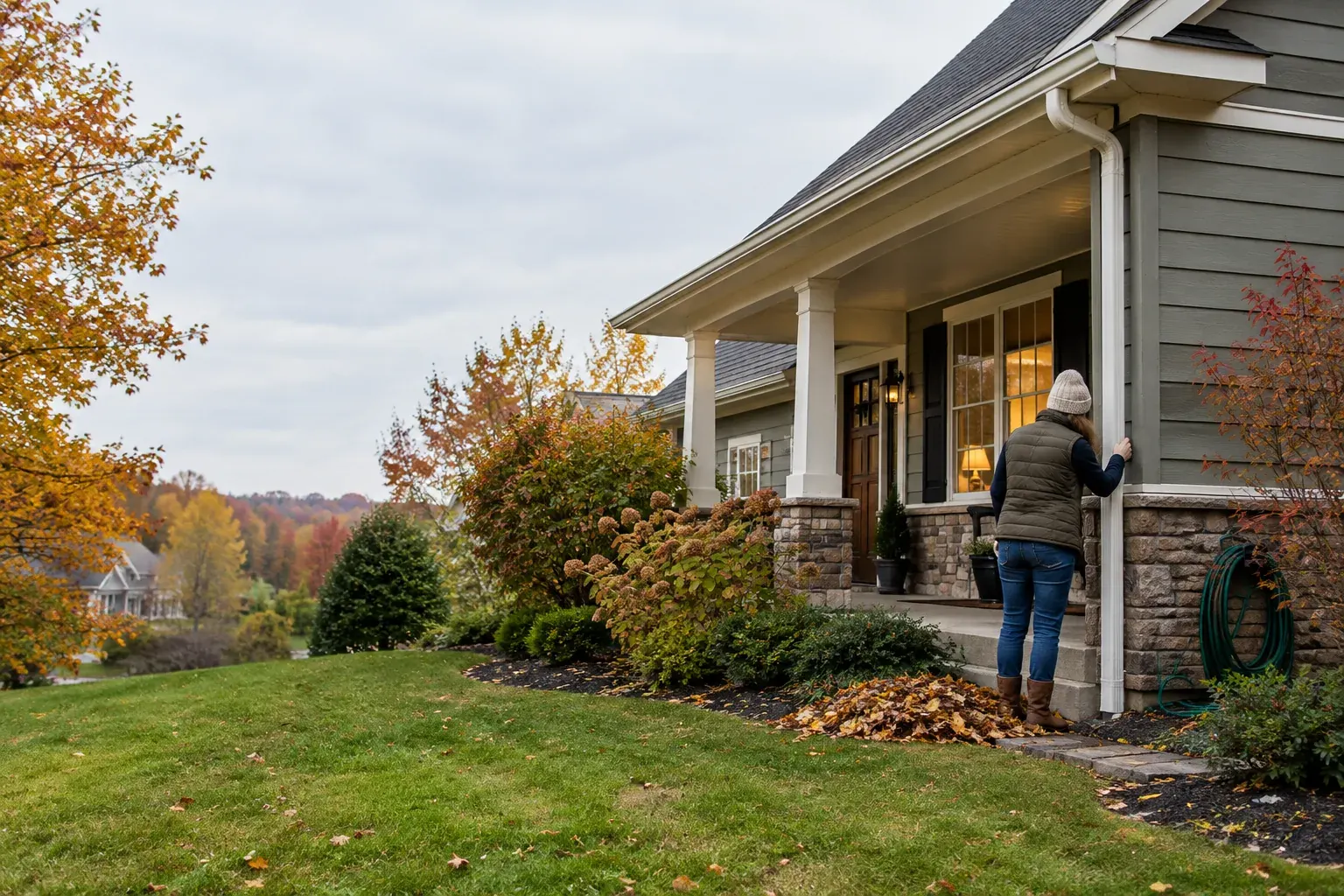
Key takeaways
- Schedule heating and chimney service before you need them, and replace filters as directed by the manufacturer.
- Clear gutters and downspouts, but inspect the roof from the ground and hire a professional for risky repairs.
- Disconnect garden hoses, protect exposed pipes and learn where your main water shutoff is.
- Test smoke and carbon monoxide alarms, and replace units according to their labels and instructions.
- Adjust your outdoor checklist for local weather, from hard freezes to heavy rain, coastal storms or dry conditions.
In this guide
Fall is a useful time to catch small home problems before cold, rain or snow makes them harder to fix. The right tasks depend on your heating system, the age of your home and the weather where you live.
Use this checklist to plan the work, decide what you can safely handle and identify jobs that call for a qualified professional. You do not need to do everything in one weekend. Start with heating, water and fire safety, then work through the exterior and yard.
Start with a walk-through and a regional plan
Walk around your home and look for signs of water, air leaks or damage. Check ceilings and the inside of exterior walls for stains, look at the foundation for standing water, and note cracked caulk, loose trim or branches touching the house. Make a short list of repairs and take photos so you can compare problem spots later.
Your local climate changes the order and emphasis:
- Cold and snowy areas: Prioritize exposed plumbing, roof drainage, drafty doors and windows, and reliable heat. Know which pipes run through unheated spaces.
- Warm, humid or rainy areas: Clear gutters and drains, check for water entry, and inspect weather seals before the season of heavier rain or storms. A mild winter does not rule out a freeze.
- Coastal areas: Check exterior fasteners, railings and equipment for corrosion, and secure outdoor items before strong winds. Follow local guidance for storm preparation.
- Dry or high-desert areas: Check irrigation for leaks, protect vulnerable plumbing where temperatures fall below freezing, and remove dry leaves or brush near the house where local fire guidance recommends it.
Good to know: Freeze dates and storm seasons vary even within a state. Use local weather forecasts and your city or county emergency guidance to time preparation, rather than relying on a single national date.
Service heating and check fire safety
Arrange furnace, boiler or heat-pump service before the first sustained cold spell if your system is due or has not been checked according to its manufacturer’s schedule. A qualified HVAC technician can inspect and clean system components, check operation and flag needed repairs. If the system makes unusual noises, cycles repeatedly or does not heat evenly, mention those symptoms when booking.
You can handle a few routine checks yourself:
- Find the filter and check its size and replacement instructions. Inspect it regularly during the heating season and replace it as directed. A clogged filter can restrict airflow.
- Keep supply registers and return-air grilles clear of furniture, rugs and curtains.
- Make sure the outdoor unit of a heat pump is free of leaves and debris, following the manufacturer’s clearance instructions. Do not bend the fins or spray equipment with a pressure washer.
- Confirm that thermostats work and that you know how to switch the system to heat.
Test smoke alarms and carbon monoxide alarms using their test buttons. Follow the alarm labels and local code for placement, including near sleeping areas and on each level of the home. Replace batteries or complete units as directed, and check the manufacture or replacement date. Many alarms have a limited service life, so do not assume a unit is good simply because it beeps during a test.
If you use a fireplace or wood stove, have the chimney and venting system inspected before regular use. A qualified chimney professional can advise whether cleaning or repairs are needed. Burn only fuel approved for your appliance, keep combustibles away from the fire, and use a proper screen. Put ashes in a covered metal container outdoors, away from the house, and follow local disposal rules.
Safety note: Never use an oven, grill or outdoor generator to heat your home. Keep generators outdoors and well away from doors, windows and vents, following the manufacturer’s safety instructions.
Protect the roof, gutters and drainage
From the ground, use binoculars if helpful to look for missing or damaged shingles, sagging roof sections, damaged flashing and debris in valleys. Indoors, check the attic or upper-floor ceilings for signs of moisture. A new stain, damp insulation or musty odor deserves prompt attention, even if the roof looks fine from outside.
Clear leaves and twigs from gutters and downspouts so water can flow away from the house. Check that downspouts are connected and discharge away from the foundation without creating a hazard or directing water onto a neighbor’s property. If water pools near the foundation after rain, consider asking a drainage or foundation professional to assess the cause.
Gutter cleaning can be dangerous. If you are not comfortable using a ladder, the roof is steep or high, or you see damaged shingles or gutters, hire an insured professional. Do not lean or reach sideways from a ladder, and do not work near overhead power lines. A roof is not a safe place to inspect casually.
Seal drafts and protect plumbing
Check weatherstripping around exterior doors and operable windows. Replace sections that are cracked, flattened or missing. Look for gaps around trim and utility penetrations, and use a caulk or sealant suitable for the surface and the expected outdoor temperature.
Do not seal over window drainage openings, vents or other openings intended for airflow. Keep combustion-air openings and mechanical ventilation clear. If you are unsure whether a gap is intentional, ask a qualified contractor before covering it.
Pipes are most vulnerable where they run through unheated areas such as garages, crawl spaces, basements, attics and exterior walls. Insulate exposed pipes with properly sized pipe insulation, paying attention to elbows and joints. Insulation slows heat loss but does not create heat, so it may not prevent freezing during a prolonged cold snap.
Before winter, locate the main water shutoff and make sure household members know how to reach it. If a pipe freezes or bursts, shutting off water quickly can limit damage. If you will be away during freezing weather, keep the home warm enough to protect plumbing, and ask a plumber or local utility for advice suited to your system and climate. Do not use a torch or open flame to thaw a pipe.
For outdoor faucets, remove and drain garden hoses, then store them out of the weather. If the faucet has an interior shutoff, close it and drain the line as directed. Frost-free faucets can still be damaged if a hose remains attached and traps water, so disconnect it even when the faucet is designed for cold climates.
If you have an in-ground sprinkler system, follow the installer’s winterizing instructions. In areas with hard freezes, the system may need to be drained or blown out with compressed air. That work can damage pipes if done incorrectly, so use a qualified irrigation professional if you are unfamiliar with the system. Avoid using compressed air without the right equipment and training.
Put the lawn and garden to bed
Clear leaves from drains, steps and walkways, where they can block water or become slippery. On lawns, remove thick layers of leaves or chop them finely if your mower and local conditions make that appropriate. A heavy mat can smother grass, but a modest amount of chopped leaves may break down in place.
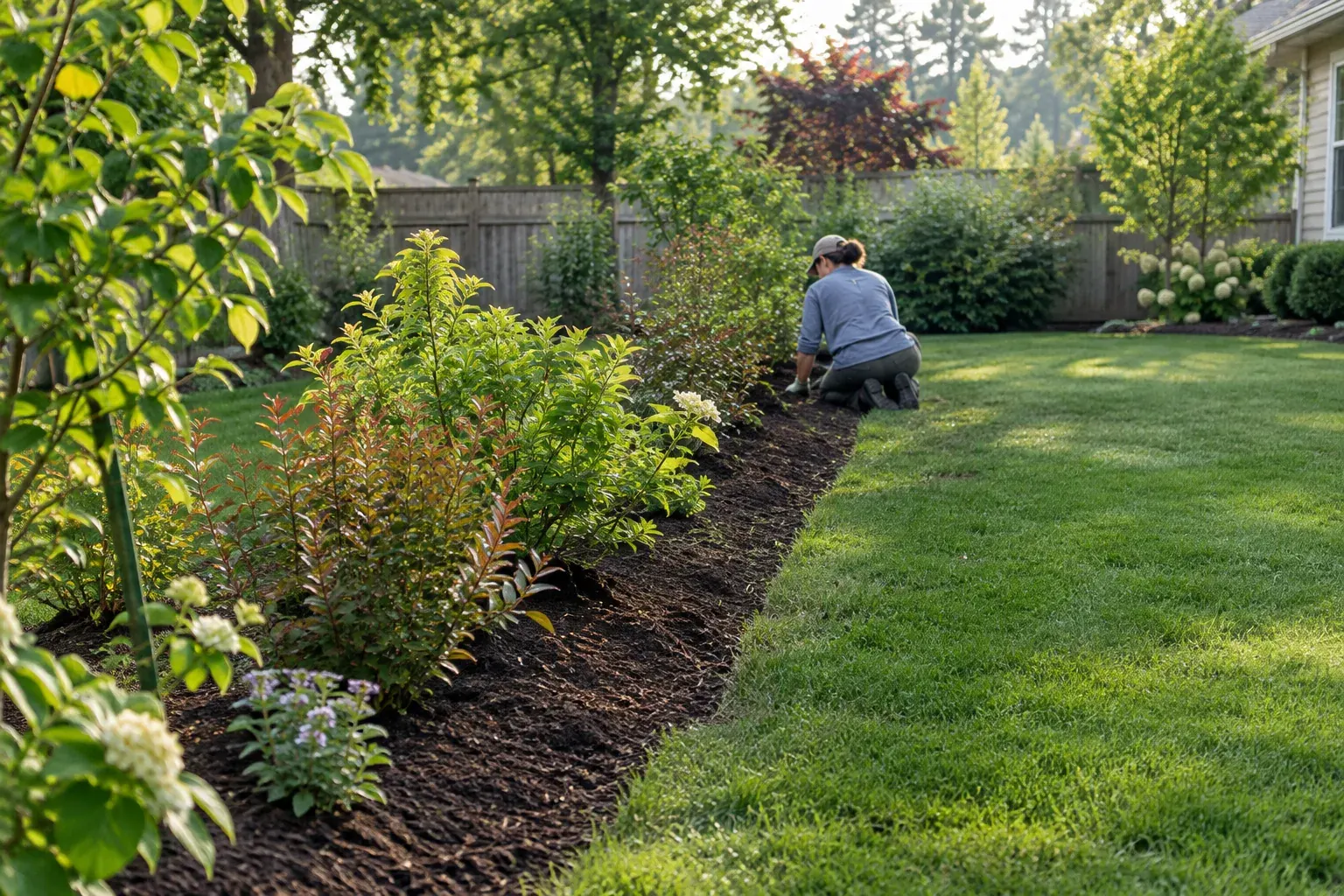
Cut back or remove diseased plant material, but check local guidance before disposing of invasive plants or yard waste. Add mulch around suitable beds to moderate soil temperature and reduce erosion, keeping mulch away from direct contact with tree trunks and building siding. Avoid pruning plants that should be left intact for winter protection or that set buds for next season. Local extension guidance can help you identify the right timing for your plants.
Bring in or protect outdoor items that could be damaged by freezing weather, including planters, hoses, garden tools and water features. Clean tools before storing them, and check that sheds or gates close securely. If you are planning a more sustainable garden, see our guide to organic gardening techniques. For a new privacy planting, our hedge planting tips can help you plan around local growing conditions.
Printable fall home maintenance checklist
Print or copy this list, then mark each item complete or note who will handle it. Add any tasks specific to your home, such as servicing a septic system or securing a swimming pool, based on local requirements and the equipment manufacturer’s instructions.
| Done | Task | Notes |
|---|---|---|
| [ ] | Book heating system service if due; check the filter | Follow the system manual |
| [ ] | Test smoke and carbon monoxide alarms | Check placement, dates and instructions |
| [ ] | Arrange a chimney inspection if you use a fireplace or wood stove | Have cleaning or repairs assessed |
| [ ] | Inspect roof and ceilings for visible damage or leaks | Use ground-level viewing; hire a pro for roof work |
| [ ] | Clear gutters and check downspouts | Direct water away from the foundation |
| [ ] | Repair damaged weatherstripping and appropriate exterior caulk | Keep vents and drainage openings clear |
| [ ] | Insulate exposed plumbing and locate the main shutoff | Prioritize unheated spaces |
| [ ] | Disconnect hoses and prepare outdoor faucets | Close and drain an interior shutoff if present |
| [ ] | Winterize irrigation as required | Follow system instructions or hire a professional |
| [ ] | Clear leaves from drains and walkways; tidy the yard | Follow local yard-waste and fire guidance |
| [ ] | Store or protect outdoor tools, planters and water features | Check sheds and gates |
Common mistakes to avoid
- Waiting for the first freeze to start. Service appointments and contractors may be harder to schedule when cold weather arrives. Make the first calls early, especially for heating, chimney and irrigation work.
- Climbing onto a roof or stretching from a ladder. The fall risk is serious. Use ground-level checks and hire a professional for work at height.
- Assuming pipe insulation is enough. Insulation helps, but vulnerable pipes still need adequate heat and attention during extended cold. Know where the shutoff is and have a plan for a leak.
- Leaving a hose connected to an outdoor faucet. A trapped water line can freeze and cause damage, including on some frost-free faucets.
- Blocking vents while sealing drafts. Caulk and weatherstripping should reduce unwanted air leaks without closing required ventilation, combustion air or window drainage paths.
- Skipping alarm replacement because the test button works. A test checks basic operation, not every aspect of performance. Follow the manufacturer’s replacement schedule and replace damaged or outdated units.
- Doing every yard task the same way everywhere. Plants, freeze risk, fire conditions and yard-waste rules vary by region. Check local extension or municipal guidance before pruning, burning or disposing of vegetation.
The Bottom Line
A good fall maintenance plan protects the parts of your home most affected by cold and water: heating equipment, alarms, roof drainage, windows, plumbing and outdoor systems. Start with safety and repairs that could lead to water damage, then finish with routine yard work.
Use the checklist as a working document, not a one-size-fits-all rulebook. Your system manuals, local building and fire guidance, and a qualified professional can help you adapt it to your home and climate.
Frequently asked questions
When should I start fall home maintenance?
Start before you expect sustained cold or heavy seasonal rain, and allow time to book contractors. The right timing varies by region, so use local forecasts and prioritize heating service, exposed plumbing and roof drainage first.
What should I do to prevent pipes from freezing?
Insulate exposed pipes, keep vulnerable areas warm, disconnect outdoor hoses and learn where the main water shutoff is. Insulation alone may not protect plumbing during a long freeze, so ask a plumber about pipes in unheated or hard-to-reach spaces.
Do I need to have my chimney inspected every year?
Have the chimney and venting system inspected before regular use, and follow the professional’s recommendations for cleaning and repairs. The condition and use of the system determine what work it needs.
Can I clean gutters myself?
You can do so only if you can work safely with the right ladder and conditions. Do not reach sideways, climb onto a roof or work near power lines; hire an insured professional if the roof is high, steep or damaged.
Should I leave faucets dripping during a freeze?
A slow drip may help in some situations, but it is not a substitute for protecting pipes and can waste water or create other problems. Follow local utility or plumber guidance for your plumbing layout and the expected weather.