Electronic Music Festivals: How to Plan, Budget and Stay Safe
A good festival plan covers more than the ticket. Use this guide to compare events, estimate the full trip cost, prepare for the venue and look out for yourself and your group.
Key takeaways
- Choose a festival by location, sound, venue conditions, access needs and total travel cost, not just its advertised lineup.
- Buy tickets through the festival or an authorized seller, and check fees, transfer rules and refund terms before paying.
- Budget for transportation, lodging, meals, parking and supplies in addition to admission.
- Plan a meetup point and a way to contact friends in case cell service is unreliable.
- Use hearing protection, take breaks from heat and crowds, and contact event medical staff promptly when someone is unwell.
In this guide
An electronic music festival can be a one-day event near home or a multiday trip that involves flights, lodging and camping. The right plan depends on the venue, your budget, the weather and how you want to spend your time there.
This guide helps you compare festivals and ticket options, estimate the full cost, choose where to stay and prepare for common safety concerns. Details such as age rules, bag policies, accessibility and permitted items vary by event, so confirm them with the organizer before you travel.
Choose a festival that fits your trip
Start with the experience you want, then look at the practical details. A festival’s location, schedule, venue layout and travel demands can matter as much as its performers. Do not make a decision based only on promotional photos or a lineup announcement.
Before you commit, check:
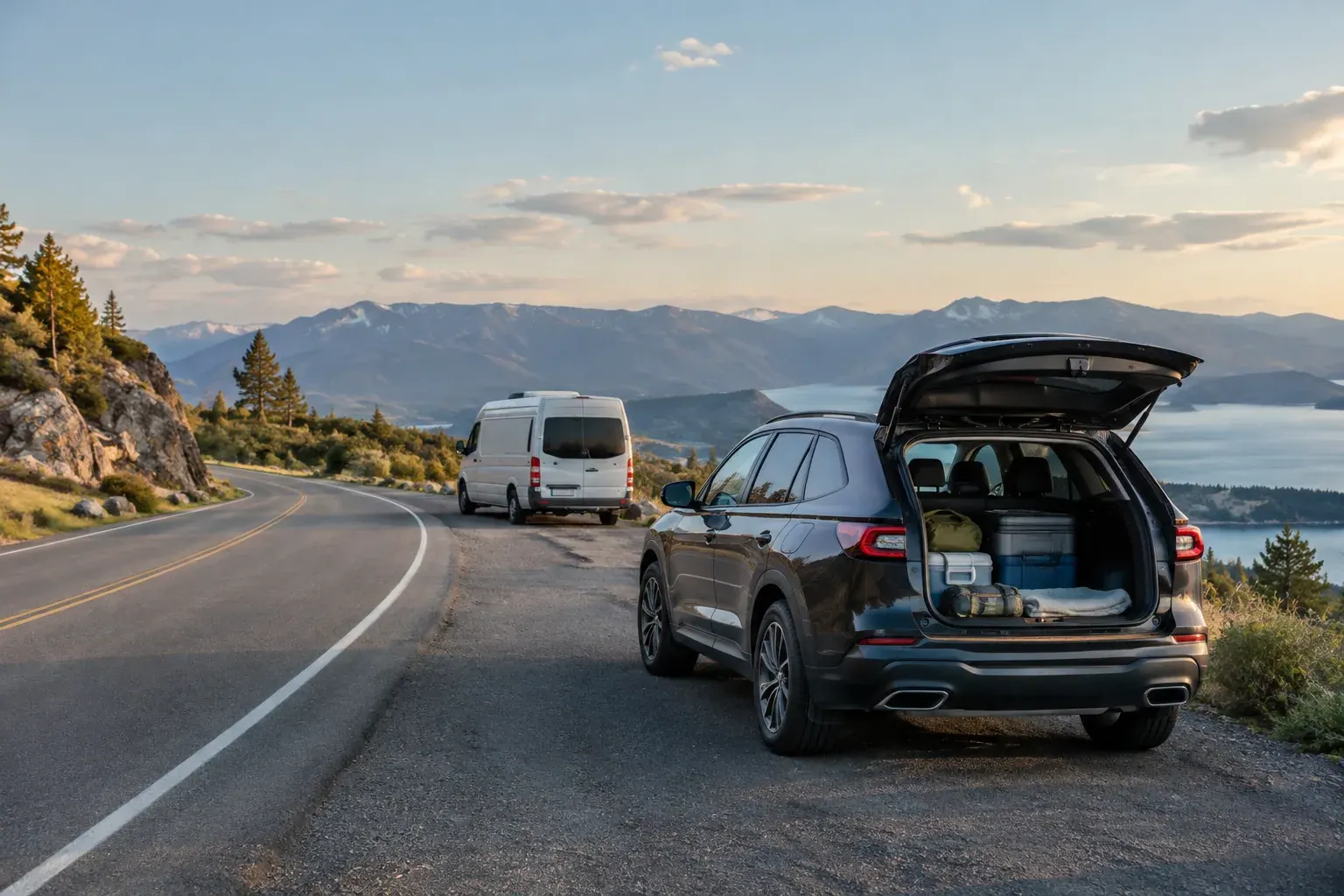
- Location and travel time: Find out how far the venue is from the airport, train station or city center. Check whether shuttle service, public transit, rideshare pickup or parking is available, and how late it runs.
- Length and schedule: Confirm which days and hours your ticket covers. For a multiday event, check whether you need to leave and reenter the venue between days.
- Venue conditions: Look for the organizer’s information about indoor and outdoor areas, walking distances, shade, seating, restrooms and water access.
- Access needs: Review accessibility information and contact the organizer before buying if you need an accommodation. Ask about accessible entrances, viewing areas, restrooms, parking and camping arrangements.
- Age and entry rules: Check minimum age requirements, accepted identification, reentry rules and prohibited items. Rules can differ between venues and between events.
- Weather and geography: An outdoor event in the desert, a humid region or a place with changeable mountain weather calls for different clothing and travel plans. Check the forecast close to departure and bring layers where conditions can shift.
Read recent event policies and practical attendee information, but treat social media posts as unverified until the organizer confirms them. If you are traveling with a group, agree on the event and lodging before anyone buys a nonrefundable ticket.
Understand ticket tiers and buy carefully
Ticket names are not standardized. General admission usually means access to the main event areas included in that ticket, while higher tiers may add features such as a separate entrance, viewing area or lounge. Those perks are not guaranteed to include a seat, shorter waits everywhere, food or access to every stage.
Compare the actual benefits, not just the label. Check whether the price shown includes service fees and taxes, whether the ticket covers one day or all days, and whether camping, parking or shuttle service costs extra. Read the transfer, resale, cancellation and refund terms before checkout. A ticket protection add-on may have limits and exclusions, so review its terms rather than assuming it covers any reason you cannot attend.
Use the event’s official ticket page or a seller the organizer identifies as authorized. If you consider resale, confirm that the seller’s transfer process is accepted by the event. Avoid buying a screenshot or a ticket sent as an image: it may be duplicated, already used or invalidated. Be wary of pressure to pay quickly, requests for gift cards or wire transfers, and sellers who refuse to use a protected payment process. These are common warning signs discussed in how to spot and avoid common scams.
Save your receipt and ticket confirmation somewhere you can access offline. If the event uses a mobile ticket, check whether it must be displayed in an app and whether the app supports an offline ticket. Do not post a ticket barcode or order details publicly.
Good to know: A higher ticket tier does not necessarily mean a better view or a less crowded event. Compare the written inclusions and venue map, and ask the organizer about anything unclear.
Build a budget around the whole trip
The admission price is only one part of the cost. Estimate the trip before buying, especially if tickets, lodging or flights are nonrefundable. Use current quotes for your dates and location, since event prices and travel costs vary widely.
| Cost | What to include in your estimate | Planned amount |
|---|---|---|
| Ticket | Admission, service fees, taxes and any add-ons | $_____ |
| Transportation | Flights, fuel, transit, rideshare, shuttle, parking and baggage fees | $_____ |
| Lodging | Hotel, rental, campground, deposits and local taxes | $_____ |
| Food and drinks | Meals during travel and the event, plus snacks if permitted | $_____ |
| Gear and supplies | Earplugs, weather-appropriate clothing, charging gear and permitted camping items | $_____ |
| Contingency | A reserve for a travel change, replacement item or unexpected need | $_____ |
| Total | Add each planned amount | $_____ |
Price out transportation and lodging before you decide what ticket you can afford. A cheaper ticket may not save money if it requires an expensive hotel, long rideshares or an extra night away. If you are splitting a room or ride, agree in advance on who pays, when they pay and what happens if someone cancels.
Separate essential costs from optional upgrades. Decide on a maximum total, include a contingency line and keep emergency money separate from spending money. If the trip would require carrying a credit card balance or missing regular bills, consider a closer or shorter event instead. A simple spending plan such as the 50/30/20 budget can help you see how a discretionary trip fits with bills, savings and other priorities.
Choose between camping and a hotel
Camping can put you close to the venue, but it asks you to bring or rent equipment and live with outdoor conditions. A hotel or rental gives you a private place to rest, though travel to and from the event may add cost and time. Neither option is automatically cheaper; compare the full cost, including transportation and fees.
| Option | Often works well when | Check before booking |
|---|---|---|
| Festival camping | You want to stay on or near the grounds and are prepared to camp | What the campsite includes, tent rules, parking, showers, quiet hours, security and whether camping admission is separate |
| Hotel or rental | You want a private room, indoor bathroom or a quieter place to recover | Distance, late-night transport, check-in hours, cancellation terms, taxes and whether the booking is for the correct dates |
| Staying with someone nearby | You have a reliable host and a clear way to get to the venue | Travel time, house rules, guest limits and a backup plan if transportation falls through |
For camping, look at the forecast and venue rules before packing. A tent, sleeping pad, bedding, shade equipment and a way to keep your phone charged may be useful, but some events restrict stakes, canopies, coolers or cooking equipment. Do not assume you can bring items that are allowed at a public campground.
For hotels, check how you will get back after the final set. Confirm the pickup location and operating hours for any shuttle, and do not assume rideshare service will be quick or readily available when thousands of people leave at once. Book a room you can afford without relying on a hoped-for split that has not been agreed on.
Pack for the venue, not for every possibility
Read the current prohibited-items list and bag policy before packing. Security may not allow an otherwise useful item, and rules can vary by entrance, venue or event day. Keep medications in their original packaging when practical, and check the event’s policy for prescription medication and medical supplies.
A practical starting checklist:
- Government-issued identification and your ticket, with an offline backup if available.
- Comfortable, broken-in shoes and clothing suited to the forecast, including a light layer or rain protection when appropriate.
- Properly fitting earplugs intended for hearing protection.
- A charged phone, charging cable and a permitted power bank.
- Any essential medication and a small amount of cash, if useful for the venue.
- Sunscreen, sunglasses and a hat for outdoor events, if allowed.
- A refillable water bottle only if the event permits it, and a plan to locate water refill points.
- Camping equipment only if you have a camping pass and have checked the site’s rules.
Pack light enough to move safely through crowds. Keep valuables secure and leave irreplaceable items at home. If you need an item for a health condition, contact the organizer in advance about the process for bringing it in. Do not leave necessary medication in a hot car or tent.
Pro tip: Take a photo of your campsite or hotel address and save the event’s map, schedule and transportation details before you arrive. A phone signal or battery may not be reliable in a dense crowd.
Protect your health and stay connected
Crowds, loud sound, heat, long walks and limited sleep can make a festival physically demanding. Pace yourself. Take breaks in quieter or shaded areas, eat regular meals and drink water throughout the day. If you are sweating for a prolonged period, follow event guidance on replacing fluids and salts. Avoid forcing excessive amounts of water, which can also be dangerous.
Heat illness can become an emergency. If someone is confused, collapses, has a seizure or is difficult to wake, get event medical staff or emergency help immediately. Do not leave the person alone or assume they can recover by sleeping it off. For less severe symptoms such as dizziness, weakness or nausea, move to a cooler place if it is safe, tell staff and follow medical advice. Conditions can worsen quickly, so err on the side of getting help.
Protect your hearing. Loud sound can damage hearing, and standing farther from speakers and taking quiet breaks can reduce exposure. Wear earplugs that fit properly and follow their instructions. If you have ringing, muffled hearing or pain afterward, avoid further loud noise and seek medical advice if symptoms persist or concern you.
Make a group plan before entering:
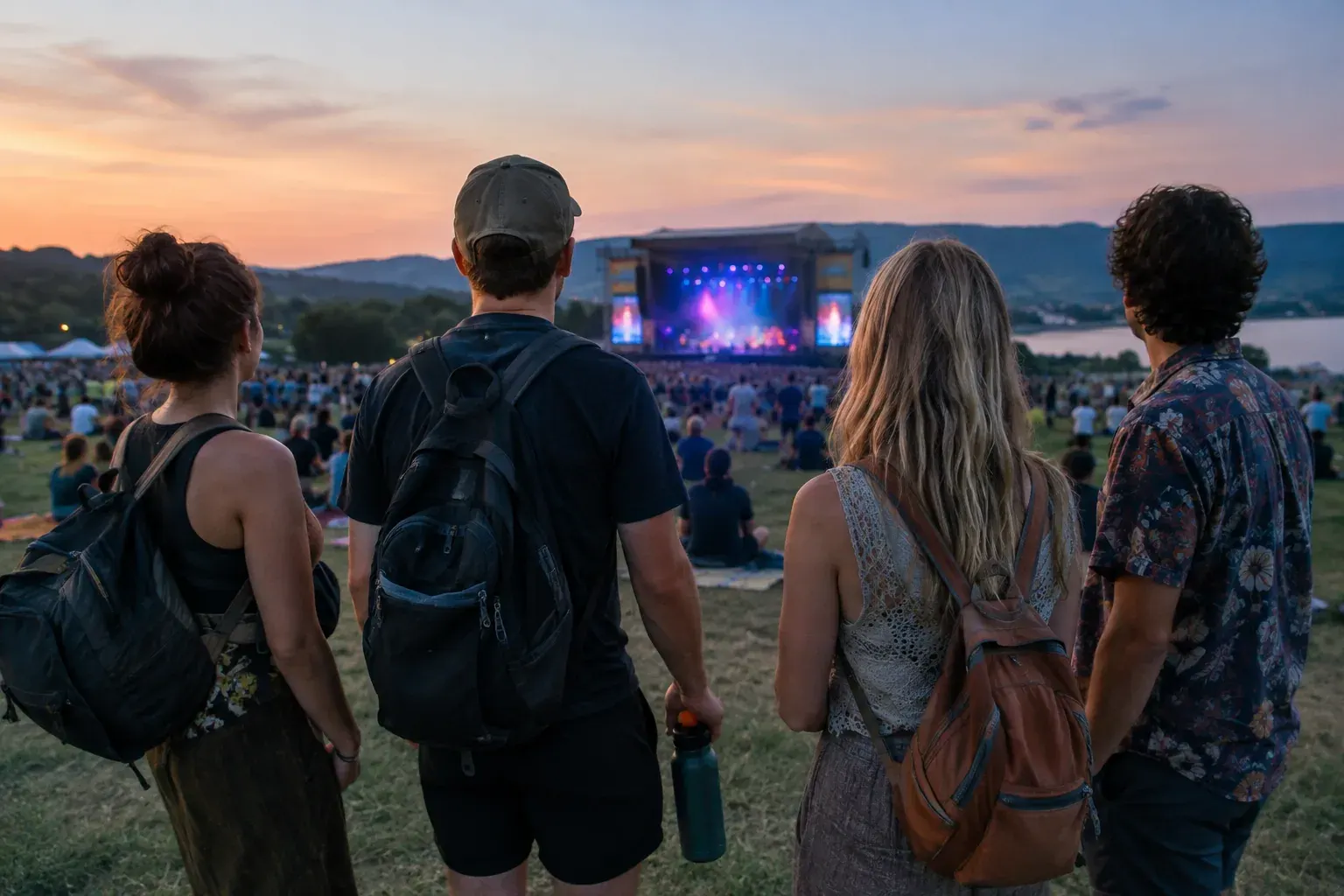
- Choose a clear meetup point outside the busiest stage area, plus a backup point.
- Agree on check-in times and what to do if a phone dies or messages do not go through.
- Share the lodging address and transportation plan with everyone.
- Use a buddy system, and do not leave a friend who is intoxicated, injured or unwell alone.
- Identify the event’s medical tent, security staff and accessible exits when you arrive.
Cell service can be unreliable in large crowds. Do not make a phone location-sharing app your only plan. If your group gets separated, follow the agreed procedure and ask uniformed event staff for help rather than wandering through unfamiliar areas alone.
For harm reduction, avoid taking pills or powders from someone you do not know, and do not mix substances with alcohol or medications. Intoxication can make it harder to notice heat, dehydration, injury or unsafe situations. If someone seems unwell or unusually confused, tell medical staff what you know and seek help promptly. Medical teams are there to respond to emergencies; delaying because you fear embarrassment can increase the danger.
Common mistakes to avoid
- Buying first and checking logistics later: Review travel, lodging, age rules, entry policies and the total cost before committing.
- Assuming every ticket includes the same access: Confirm the event days, areas and add-ons attached to your specific ticket.
- Trusting an unofficial seller: Verify resale rules and use the authorized process instead of paying for a screenshot or a rushed offer.
- Overpacking or ignoring restrictions: Check the event’s current list, then bring only what you can carry and are allowed to enter with.
- Leaving the group plan until the crowd arrives: Set meetup and backup plans before the first set, while everyone has a charged phone.
- Treating exhaustion or confusion as routine: Stop, get to a safer place and contact medical staff when symptoms raise concern.
- Spending the entire budget on admission: Reserve enough for getting there, sleeping safely, eating and handling an unexpected change.
The Bottom Line
Choose an event that fits your interests, access needs and travel budget, then verify the details with the organizer. Compare ticket inclusions and the full cost of lodging and transportation before you pay.
Pack for the venue’s actual rules and weather, protect your hearing, make a group plan and get medical help when someone is unwell. Preparation leaves you better able to enjoy the music and make sound decisions during the event.
Frequently asked questions
How do I choose an electronic music festival?
Compare the location, event length, venue conditions, travel time, ticket cost and access information, not just the lineup. Check the organizer’s rules and decide whether the full trip fits your budget and needs.
How can I avoid fake festival tickets?
Buy from the festival or a ticket seller it identifies as authorized, and check whether official resale transfers are accepted. Avoid screenshot tickets, rushed offers and payment methods that do not give you a clear dispute process.
Is camping or a hotel cheaper for a music festival?
It depends on the event and what each option includes. Compare the campsite or room price with equipment, fees, transportation, parking and the cost of getting back after the event.
What should I bring to an electronic music festival?
Start with identification, your ticket, comfortable shoes, weather-appropriate clothing, hearing protection and a charged phone. Check the event’s current bag and prohibited-items rules before adding water bottles, camping gear, medication or other supplies.
How do you stay safe at a crowded outdoor festival?
Agree on meetup points and a backup communication plan, take breaks from heat and loud sound, and stay with friends who are unwell. Contact event medical staff or emergency services promptly for serious symptoms such as confusion, collapse, seizure or difficulty waking.