Why France Stands Out: A Guide to French Culture for American Travelers
France offers much more than famous museums and Parisian cafés. Learn how regional traditions, everyday etiquette and smart planning can make your trip richer and easier.
Key takeaways
- France’s food, landscapes and customs vary widely by region, so plan beyond Paris if you have time.
- A simple bonjour when entering a shop or starting a conversation is a useful courtesy.
- Restaurant service is generally included in French menu prices, so large US-style tips are not expected.
- Build in time for meals, train connections and museum reservations instead of packing every day.
- Check current entry, transit and driving rules with official sources before departure.
In this guide
France can feel familiar from books, films and food, yet daily routines may differ from what you are used to in the United States. A little preparation helps you enjoy the differences without mistaking local habits for rules that apply everywhere.
This guide covers what draws travelers to France, how to handle greetings and meals, where to go beyond Paris, and what to sort out before you leave. You will also find practical ways to make room for slower meals, regional discoveries and the occasional change of plan.
What makes France rewarding to visit
France’s appeal is not one single attraction. It is the combination of food, architecture, art, landscapes and local routines, all changing as you travel from one region to another. You might spend a morning in a major museum, then have a long lunch in a small town or walk along a coastal path.
Food is part of everyday life as well as a reason to travel. A market, bakery or neighborhood café can offer a more grounded view of a place than a checklist of famous restaurants. Ingredients and dishes reflect local agriculture, climate and history, so a meal in Brittany will not feel exactly like one in Provence or Alsace.
Art and architecture are equally varied. Paris has major museums and monuments, but you will also find Roman sites in Provence, medieval centers in the Dordogne, contemporary art in cities such as Lyon, and village churches or historic buildings across the country. Consider choosing one or two interests, then building a route around them rather than trying to see everything.
The pace can be part of the attraction. Meals may take longer than a quick US lunch, and smaller shops may keep different hours from large chains. That does not mean every place closes in the afternoon or that every meal is leisurely. It does mean that leaving space in your schedule often makes the day feel less rushed.
Good to know: France is not culturally uniform. Local customs, opening hours and food traditions vary by region, town and season. Treat general etiquette as a useful starting point, not a test you have to pass.
Everyday etiquette that may surprise Americans
Start with a greeting
In a shop, hotel, café or other small business, say bonjour (good morning or hello) when you enter and au revoir when you leave. In the evening, bonsoir is a common greeting. A brief greeting before asking a question is a small gesture that helps conversations start smoothly.
Use vous when speaking to an adult you do not know, a staff member or someone in a formal situation. Tu is more familiar. People may invite you to use tu, but you do not need to guess; using vous is a safe default. If your French is limited, a simple “Bonjour, parlez-vous anglais?” (“Hello, do you speak English?”) is more courteous than beginning abruptly in English.
A handshake may be appropriate when meeting someone, while cheek-kissing greetings are more common among friends and relatives. Practices vary, and visitors do not need to initiate cheek kisses. Follow the other person’s lead and keep a comfortable distance if you are unsure.
Give conversations a little more formality
A direct question is not necessarily rude, but a greeting and a s’il vous plaît (“please”) or merci (“thank you”) are appreciated. In a restaurant, catch a server’s attention politely rather than expecting frequent check-ins. Service may feel less hovering than in many US restaurants, which is not a sign that you have been forgotten.
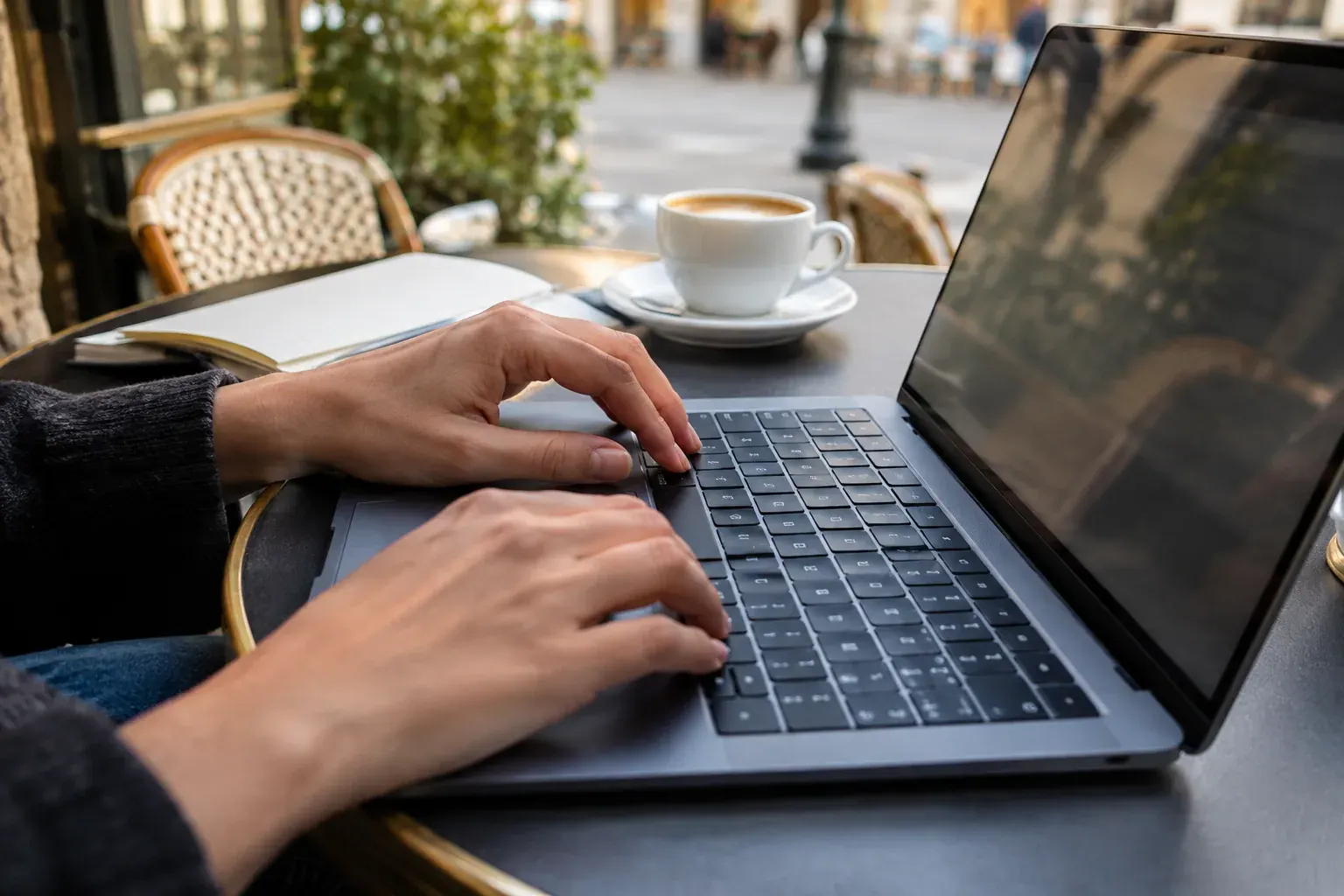
French speakers may switch to English, especially in places accustomed to international visitors, but ability and willingness vary. Learn a few useful phrases and keep your phone’s translation app available. For background on an unfamiliar French keyboard layout when typing accents or using a shared computer, see Why French Keyboards Use AZERTY.
Dining, ordering and tipping
Restaurants often have set meal periods, and a kitchen may stop serving between lunch and dinner. In larger cities you can find more flexible options, but in smaller towns it is wise to check hours before setting out. Bakeries, cafés and markets can be useful alternatives when you need food outside a restaurant’s usual service time.
At a sit-down meal, take your time and ask for the check when you are ready. It may not arrive automatically because diners are often given room to finish without being hurried. If you want the check, say l’addition, s’il vous plaît. A restaurant may offer a fixed-price menu, called a menu or formule, alongside individual dishes, called à la carte.
Tipping works differently from the customary US practice. Restaurant menu prices generally include service, so you are not expected to add a large percentage. If service was especially good, you can leave a small amount or round up; the choice is yours. For taxis and other services, rounding up is also optional, and local expectations can vary.
| Situation | What to expect | A practical approach |
|---|---|---|
| Restaurant bill | Service is generally included in menu prices | Check the bill, then tip a little or round up only if you wish |
| Café or bakery | Counter service and table service may differ | Follow posted ordering instructions and greet staff |
| Lunch or dinner | Kitchen hours may be limited, especially outside major cities | Check hours and reserve when a restaurant accepts reservations |
| Shared meal | Courses may arrive at a measured pace | Allow time and ask for the check when you are finished |
Bread may be served with a meal, but customs and presentation vary. Follow your host’s or restaurant’s lead rather than worrying about a strict set of dining rules. If you have an allergy or dietary restriction, learn the relevant French words and explain it clearly when ordering. For severe allergies, bring written information in French and confirm how the restaurant can accommodate you.
Regional food traditions are a good reason to plan meals as part of your route. If you enjoy learning how place shapes cooking, Italian Culinary Traditions offers another look at the relationship between regional identity and food.
Go beyond Paris: choose a region that fits your trip
Paris can be a rewarding destination on its own, but it is not a substitute for the rest of France. If you have more than a few days, pick one or two regions rather than trying to cross the country on every leg. Travel times can be longer than a map suggests, especially when reaching small towns or rural areas.
| Region or area | What it is known for | Good fit if you want |
|---|---|---|
| Normandy | Coastal scenery, historic sites, cider and dairy traditions | A mix of history, countryside and the sea |
| Brittany | Atlantic coast, seafood, crêpes and a distinct regional identity | Coastal walks and maritime towns |
| Alsace | Half-timbered towns, wine routes and food shaped by borderland history | Scenic villages and a strong regional character |
| Lyon and the Rhône Valley | Lyon’s food culture, historic districts and routes toward vineyards | City life with easy access to countryside |
| Provence | Mediterranean landscapes, markets, Roman remains and seasonal produce | Warm-weather scenery, villages and outdoor time |
| Dordogne and the southwest | River valleys, prehistoric sites, markets and regional cooking | Rural stays, history and slower-paced exploration |
These are broad starting points, not complete descriptions. A region can contain busy cities, quiet villages and very different landscapes. Check seasonal conditions and local transport before choosing a base, especially if you are relying on buses or regional trains.
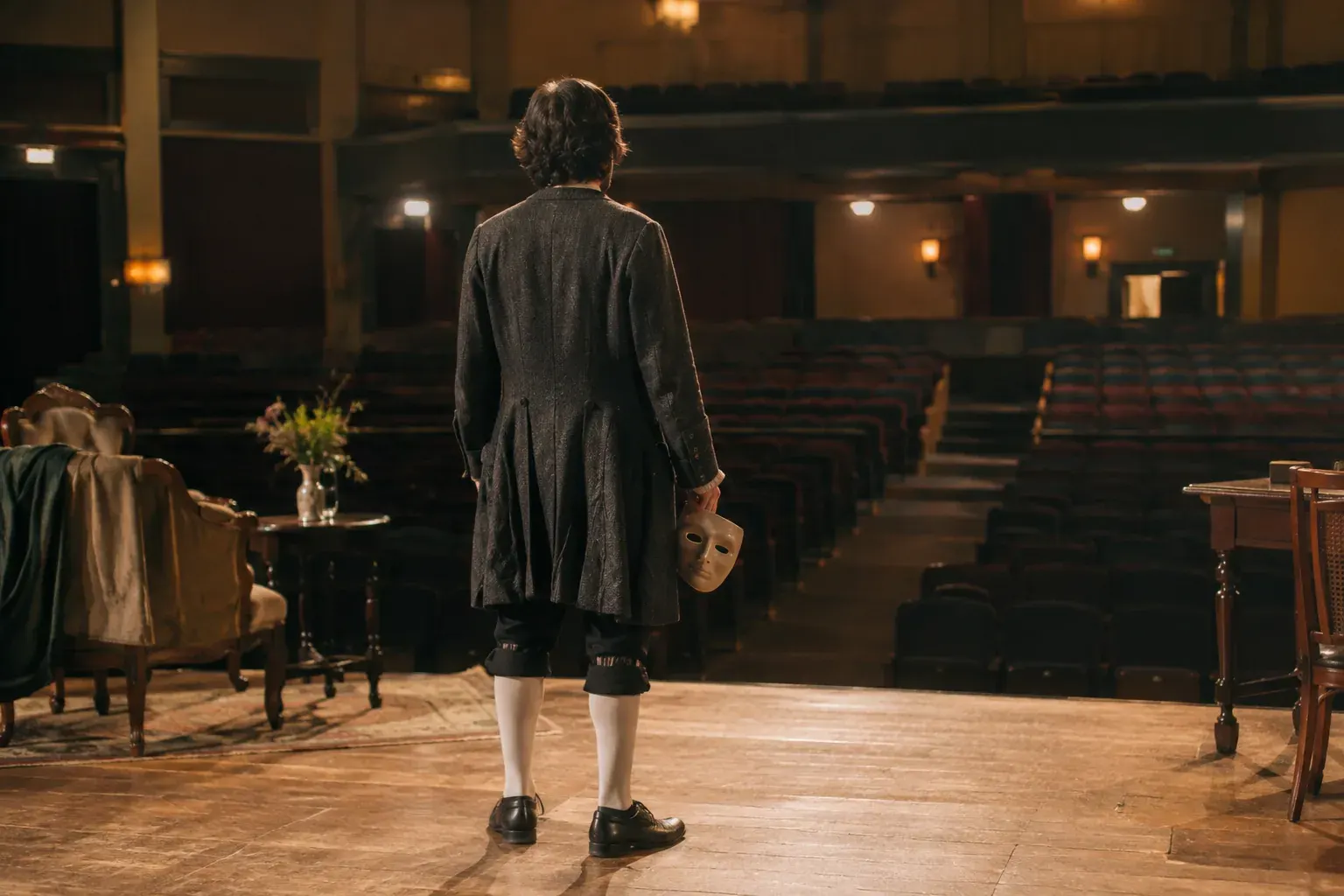
For a first trip, consider pairing Paris with one nearby area, or spending the whole visit in a single region. On a return visit, you can go deeper into a place rather than repeating a fast tour of major sights. Travelers interested in theater and French literary history may also enjoy Why Molière Still Matters, a useful companion to a visit centered on French arts and performance.
Plan transport, money and essentials
Choose trains, cars or a mix
Rail travel is useful between many major cities, but it does not reach every village or attraction directly. Check the full journey, including the last connection, and allow a buffer when changing trains. Schedules, fares and reservation requirements can change, so confirm details through the official railway service before you travel.
A rental car can make rural stops easier, but it adds costs and responsibilities. Check whether the vehicle is manual or automatic, understand toll and parking arrangements, and review any local low-emission driving restrictions that may apply to your route. Ask the rental company what documents it requires. If you plan to drive, verify current rules for your license and whether an International Driving Permit is recommended or required for your situation.
In cities, public transit and walking may be more convenient than driving. Look up how to buy and validate tickets, and keep a backup payment method in case a machine does not accept your preferred card. On travel days, check for service changes and leave extra time rather than scheduling a tight connection.
Prepare for practical differences
Before departure, check current passport and entry requirements with official US and French government sources. Requirements can change, including rules for short stays, so do not rely on an old checklist or an informal summary. Consider travel insurance and understand what your health coverage does and does not cover abroad.
France uses the euro. Many places accept cards, but it is sensible to carry a modest amount of cash for small purchases or locations with limited card acceptance. Choose to pay in euros if a card terminal offers to convert the charge into US dollars, and check your card issuer’s foreign transaction fees before the trip.
French electrical outlets use a different plug shape from standard US outlets, and the electrical supply is different. Bring a suitable plug adapter. Check the label on each device’s charger: an adapter changes the plug shape, but it does not convert voltage. If a device is not rated for the local supply, use the appropriate voltage converter or leave it at home.
Pack for the region and season, not just the forecast for Paris. Coastal weather, mountain conditions and Mediterranean heat can differ considerably. Comfortable walking shoes, a light layer and any needed prescription medication are often more useful than a tightly planned collection of outfits.
Pro tip: Save your lodging address, key reservations, transit details and copies of travel documents somewhere you can access offline. Keep original documents secure and carry only what you need for the day.
Make room for art, markets and local life
Famous museums and monuments can require timed reservations or have limited entry, especially at busy times. Check official museum information before you go, and do not assume that a ticket for one site covers another. If a museum is your priority, plan around it and leave the rest of the day flexible.
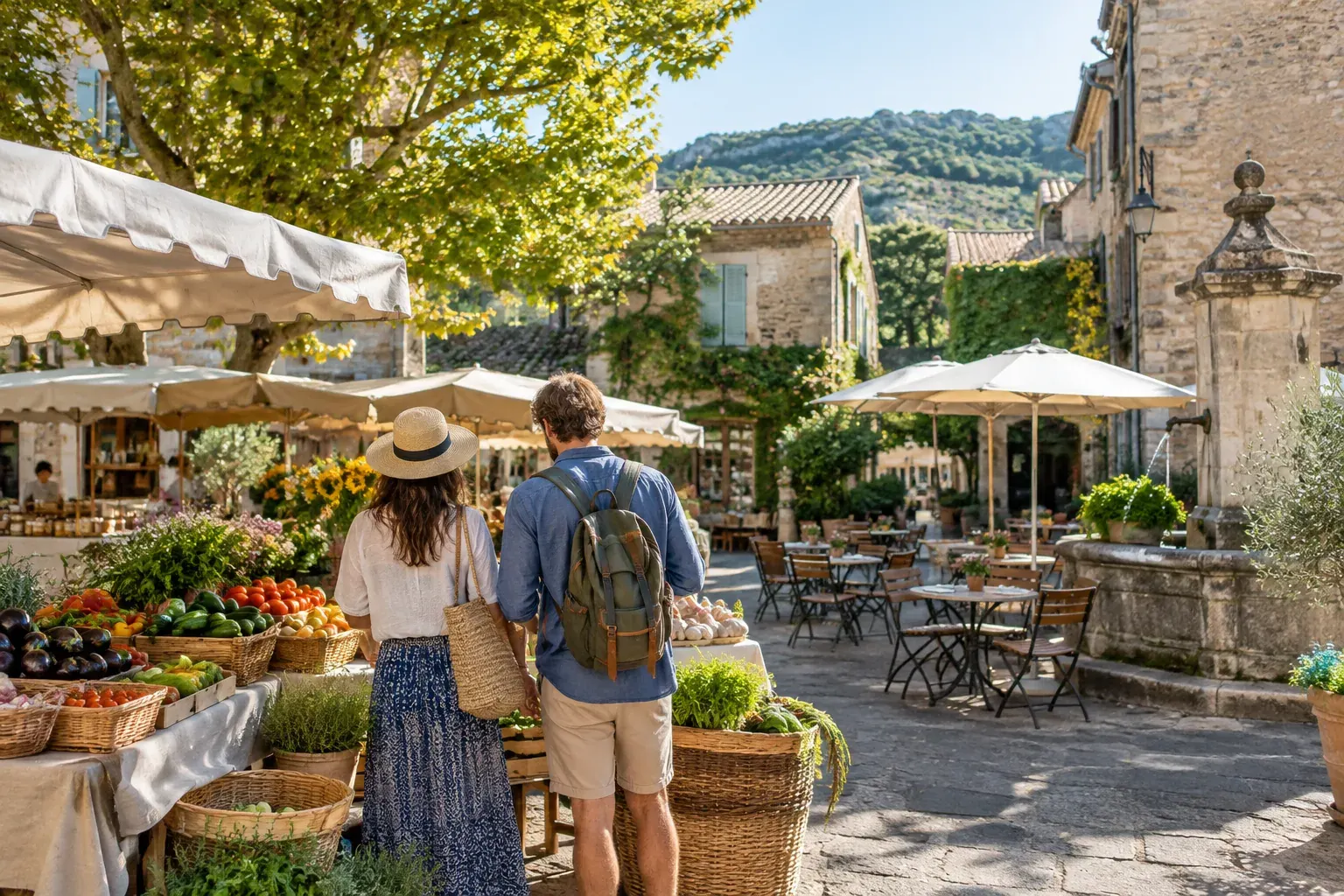
Markets are a useful way to see what is seasonal and local. Go early if you want the broadest selection, bring a reusable bag, and ask before handling produce. Some markets operate only on particular days, so check the schedule in the town you are visiting.
You do not have to know the history of every building to enjoy a place. Pick one museum, neighborhood, performance or historic site that genuinely interests you, then spend time walking, sitting at a café or visiting a local shop. This balance can make a trip feel more connected than moving from one attraction to the next.
Common mistakes to avoid
- Treating Paris as the whole country. Add a regional stop if your schedule allows, or choose one region for a slower trip.
- Assuming every meal follows US timing. Check kitchen hours, especially in smaller towns, and keep a flexible backup plan.
- Starting every interaction in English without greeting. A simple bonjour, followed by a polite question, is an easy courtesy.
- Tipping as if a US restaurant bill were expected. Service is generally included. Leave extra only if you want to.
- Trying to cover too much ground. Too many one-night stays can turn a trip into a series of transfers. Allow time for travel between bases.
- Assuming a plug adapter converts electricity. Check device labels and use a voltage converter when necessary.
- Relying on old travel rules. Confirm current entry, driving, opening-hour and transit information before you go.
The Bottom Line
France stands out because each trip can combine art, food, history and ordinary local routines, with a different character from one region to the next. A greeting, a little patience at meals and curiosity about local customs go a long way.
Choose fewer places, plan the details that matter and leave room for discoveries. That approach makes it easier to enjoy France on its own terms, whether your trip centers on Paris, the coast, the countryside or a mix of all three.
Frequently asked questions
What should Americans know about French etiquette?
Begin interactions with bonjour or bonsoir, use vous with people you do not know, and say merci when appropriate. Customs vary, so follow the other person’s lead rather than treating etiquette as a rigid rulebook.
Do you tip in restaurants in France?
Restaurant menu prices generally include service, so a large US-style tip is not expected. You may leave a small amount or round up if you are pleased with the service, but it is optional.
Where should I visit in France besides Paris?
Choose based on your interests: Normandy for history and coast, Brittany for maritime towns, Alsace for villages and wine routes, or Provence for Mediterranean landscapes. Lyon, the Dordogne and the southwest are also strong options.
Is it easy to travel around France without a car?
Trains connect many major cities, and public transit works well in many urban areas. Reaching smaller towns and rural attractions may take more planning, so check regional connections before choosing where to stay.
What should I check before traveling to France from the US?
Verify current passport and entry requirements with official government sources, and confirm transport schedules and any driving requirements for your plans. Also check your payment card fees, device voltage ratings and travel insurance coverage.